

Blog / Tires

Does an All-Wheel Drive Chevrolet Equinox Need Winter Tires?

Does an All-Wheel Drive Chevrolet Equinox Need Winter Tires?

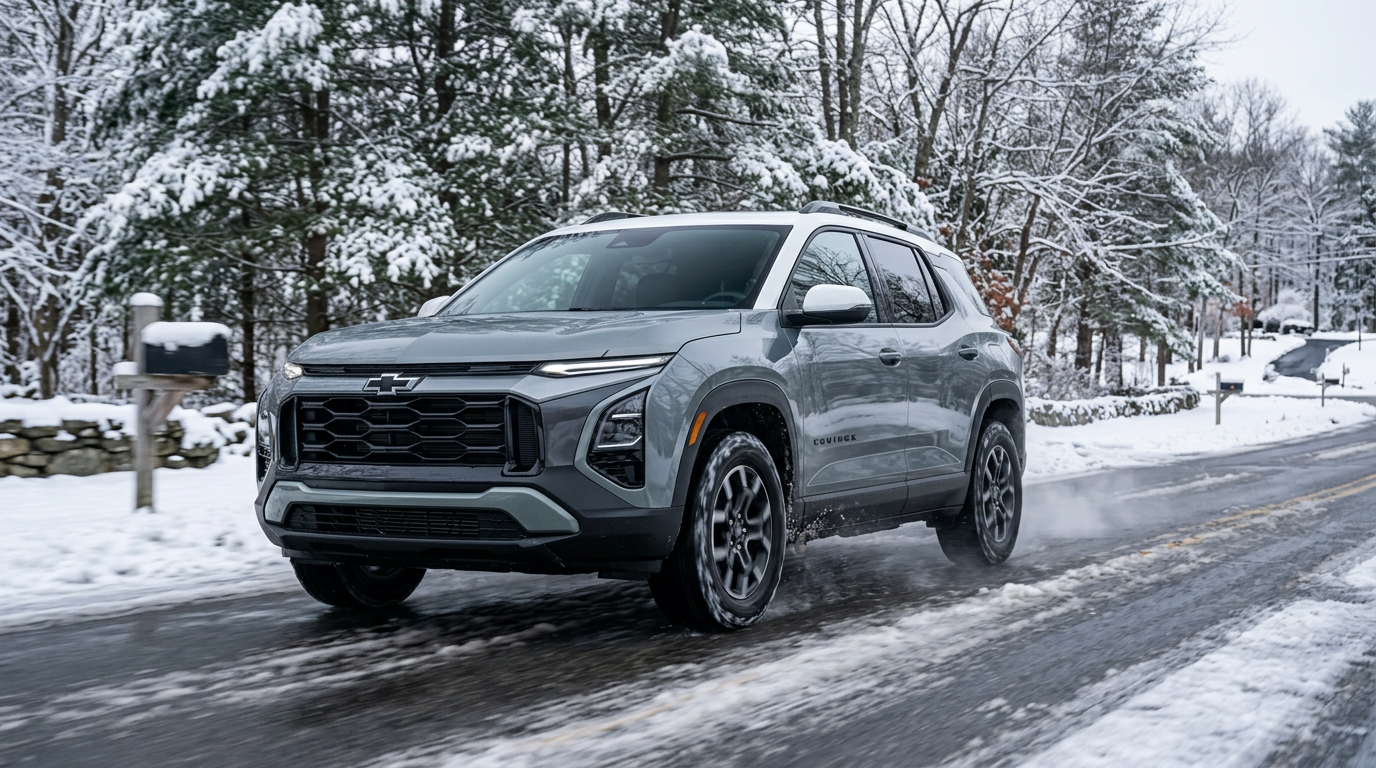
An all-wheel drive Chevrolet Equinox benefits significantly from dedicated winter tires in New England winter conditions. While all-wheel drive assists with engine torque delivery during acceleration, winter tires feature specialized rubber compounds and siping designed for low temperatures, which dramatically improve stopping distances, lateral stability, and braking control on ice and hard-packed snow.

All-wheel drive transfers mechanical power to the wheels with the most grip, helping an SUV pull away from a snowed-in parking spot or accelerate up a slushy incline. However, all-wheel drive provides no additional assistance when pressing the brake pedal or steering through an emergency maneuver. Standard all-season tire compounds begin to harden when ambient temperatures drop below 45 degrees Fahrenheit, reducing tread flexibility and pavement adhesion. Dedicated winter tires utilize pliable silica rubber compounds and dense tread block sipes that bite into frozen road surfaces.

Commuters navigating suburban secondary roads around heavily wooded terrain in Bedford frequently encounter patchy black ice and unplowed corners during winter cold snaps. Equipping a crossover with winter tires lowers braking distances by up to 30 percent on frozen pavement compared to standard all-season tread. Drivers seeking seasonal changeovers or multi-point inspections can reach our service team at (978) 206-1952 or stop by our Acton service facility for certified maintenance.

Table of Contents

What Tire and Wheel Sizes Fit the Chevrolet Equinox Across Trims?

Chevrolet equips the Equinox with specific wheel and tire fitments depending on the chosen trim level and options package, ranging from 17-inch standard wheels to optional 20-inch alloy fitments. The factory tire sizes across recent model lines include 235/65R17, 235/55R19, 235/50R20, and 245/45R20.

Understanding how tire dimensions vary across the model lineup ensures proper replacement sizing:

  • LT trim: Features standard 17-inch aluminum wheels paired with 235/65R17 all-season tires, offering a taller sidewall profile that absorbs minor pavement imperfections smoothly.
  • ACTIV trim: Comes equipped with 19-inch machined wheels fitted with 235/55R19 all-terrain tires, providing enhanced tread block stability and shoulder grip on unpaved or dirt surfaces.
  • RS trim: Includes standard 19-inch dark-machined wheels with 235/55R19 rubber, with available 20-inch wheels fitted with low-profile 245/45R20 tires for sharper steering feedback and cornering responsiveness.

Before ordering replacement rubber or seasonal sets, owners should confirm their specific vehicle's requirements by checking the driver-side door-jamb placard. This placard lists exact tire size specifications, load indices, and recommended cold inflation levels. Owners looking to purchase replacement tires, factory wheels, or winter wheel packages can utilize our online OEM parts ordering portal to confirm exact factory compatibility.

How Long Do Factory Equinox Tires Last and What Pressure Should You Run?

Original equipment tires on a 2027 Chevrolet Equinox in Marlborough, MA, generally deliver between 35,000 and 50,000 miles of service life under standard driving conditions, provided they receive routine rotations and wheel alignments. Chevrolet recommends maintaining a cold tire inflation pressure of 35 PSI across all four tires to preserve optimal tread contact, fuel efficiency, and vehicle handling.

Tread longevity depends on several operational factors, including driving style, pavement conditions, vehicle load, and adherence to maintenance intervals. Rotating tires every 7,500 miles—typically at every scheduled engine oil change—ensures even tread wear across the front and rear axles. Front tires on crossover vehicles experience higher steering and braking forces, causing the front tread shoulders to wear faster if left unrotated.

Our service technicians notice that drivers who maintain correct cold pressure and complete scheduled rotations at regular intervals reach the upper end of expected tread lifespan. Underinflation generates internal heat that degrades rubber structure, while overinflation wears out the center tread prematurely and harshness ride quality. Drivers can check current promotions on rotations, alignments, and nitrogen fills by browsing our current service and parts coupons.

How Much Does Tire Mounting, Balancing, and TPMS Service Cost Near Acton?

Professional tire mounting and balancing for a Chevrolet Equinox near Acton costs between $80 and $160 for a complete set of four tires, averaging $20 to $40 per wheel. This service includes removing old tires, fitting new rubber, installing fresh valve stems, high-speed dynamic wheel balancing, and adjusting tire pressure to factory specifications.

Tire Pressure Monitoring System (TPMS) service is an integral component of tire replacement and seasonal maintenance. Modern Equinox models utilize direct TPMS sensors mounted inside each wheel valve stem to transmit real-time pressure data to the instrument cluster. When tires are rotated or replaced, service centers perform an electronic TPMS relearn procedure so the vehicle correctly identifies which sensor is located at each wheel position. Independent tire shops and dealership service bays utilize specialized diagnostic scan tools to trigger, reset, and calibrate these sensors.

If a TPMS sensor battery fails after 5 to 7 years of operational use, replacing the sensor involves dismounting the tire, installing a new sensor module, and programming it to the vehicle's body control computer. Maintaining proper wheel balance and sensor calibration protects suspension components from excess vibration when driving along local commuter corridors like Great Road in Acton, where seasonal frost heaves and potholes test chassis components.

How Can You Save on Equinox Tires with Manufacturer Rebates and Savings?

Major tire manufacturers routinely offer mail-in and online promotional rebates ranging from $50 to $120 when purchasing a set of four select tires. Brand promotions from top-tier manufacturers like Michelin, Goodyear, Continental, and Bridgestone align with seasonal weather shifts, making spring and autumn ideal times to buy replacement sets.

To maximize savings on a tire purchase, consider these practical steps:

  • Combine seasonal manufacturer rebates with dealer service offers for bundled savings on installation, mounting, and balancing.
  • Submit rebate forms promptly online or by mail with an itemized dealer invoice within the specified promotion window.
  • Invest in four-wheel alignment checks at the time of installation to prevent rapid, uneven tread wear that invalidates treadwear warranties.
  • Review manufacturer road-hazard warranty terms that offer coverage against puncture damage or unrepairable tread tears during the first year of driving.

Taking advantage of seasonal savings lowers the overall cost of tire ownership while keeping your crossover equipped with high-traction, safety-tested rubber.

Frequently Asked Questions About Chevrolet Equinox Tire Care and Maintenance

Q: Does the Chevrolet Equinox include a spare tire under the rear cargo floor?

Gasoline-powered Chevrolet Equinox models come standard with a compact spare tire and jack kit located beneath the rear cargo floorboard. This temporary spare allows drivers to commute safely to a certified service center following a tire puncture, avoiding the limitations of temporary tire sealant repair kits.

Q: How do you know when Equinox tires need replacement based on tread depth?

Tires must be replaced when tread depth reaches 2/32 of an inch, which is indicated when built-in treadwear indicator bars become flush with the tread ribs. Checking tread depth using a depth gauge helps identify uneven shoulder wear early, preventing hydroplaning risks on wet roadways.

Q: Can independent repair shops program and relearn Equinox TPMS sensors after rotations?

Independent repair facilities have diagnostic tools capable of testing, resetting, and relearning TPMS sensors on the Chevrolet Equinox. Authorized service bays utilize factory GM diagnostic software to program original equipment sensors cleanly without affecting custom vehicle settings.

Q: Why is a wheel alignment necessary when installing new tires?

A wheel alignment ensures all four wheels align precisely with factory camber, caster, and toe specifications, preventing uneven edge wear and steering drift. Installing new tires on a misaligned suspension can cause severe tread cupping within the first few thousand miles. Drivers ready for new tires or alignment checks can use our online service scheduling portal to book an appointment.

Q: How does driving with improper tire pressure affect fuel efficiency and safety?

Running tires below the recommended 35 PSI increases rolling resistance, reducing fuel economy and causing internal heat buildup that accelerates rubber degradation. Overinflated tires reduce the contact patch size, leading to reduced stopping traction and harsh ride characteristics.

Schedule Expert Chevrolet Tire Care and Maintenance at Colonial Chevrolet

Maintaining proper tire health, correct inflation, and precise wheel alignment ensures your Chevrolet Equinox delivers safe, efficient, and comfortable performance on every drive. From seasonal winter tire installations and high-speed balancing to TPMS sensor diagnostics and tire rotations, our factory-trained service team provides comprehensive maintenance tailored to your vehicle's exact engineering standards.

Our technicians utilize original equipment parts, factory-calibrated diagnostic equipment, and Chevrolet-approved tire brands to safeguard your crossover's road handling and safety systems, such as Chevy Safety Assist and Automatic Emergency Braking. Regular tire maintenance prolongs tread life, protects critical suspension components, and ensures optimal traction through all four New England seasons.

To schedule your next tire rotation, tread inspection, or alignment check, contact our service team at (978) 206-1952 or visit our service center location today.


© 2026 Colonial Chevrolet. All rights reserved.
Posted in:

Related Posts

When Does a Chevrolet Exhaust System Need Professional Repair

When Does a Chevrolet Exhaust System Need Professional Repair

A Chevrolet exhaust system requires professional repair immediately upon exhibiting deep rumbling or loud roaring noises, a metallic ticking sound during acceleration, visible rust holes, excessive tailpipe vibration, or any exhaust odor inside the passenger cabin. Prompt service is also necessary if a check-engine light illuminates, as an undetected leak or failed oxygen sensor can trigger an automatic rejection during mandatory Massachusetts state safety and OBD emissions inspections. The vehicle exhaust system plays three critical roles: directing hazardous carbon monoxide gas away from passengers, dampening intense combustion noise, and treating raw exhaust emissions before releasing them into the atmosphere. When components degrade, safety and performance suffer quickly. Rust holes, fractured flex pipes, worn isolation hangers, and corroded flange connections allow pressurized, high-temperature gases to escape beneath the floorboards. In winter conditions, road salt applied along primary corridors like Great Road in Acton accelerates metal oxidation along lower exhaust piping and muffler seams. If dangerous combustion fumes creep into the cabin, driving safety becomes immediately compromised. Ignoring minor exhaust leaks leads to costly secondary damage. Unfiltered exhaust heat escaping near the underside of the vehicle can scorch heat shielding, bake fuel lines, and melt synthetic wiring harnesses. Furthermore, exhaust leaks occurring upstream from the catalytic converter draw outside air into the pipe, tricking internal engine control sensors into over-delivering fuel. This unnecessary fuel consumption degrades fuel efficiency and severely overheats the internal substrate of the catalytic converter. Recognizing early warning signs prevents roadside breakdowns and costly component failures. Vehicle owners who notice unexpected exhaust harshness or unusual underbody rattles can bring their truck, SUV, or sedan to our Acton service center for a complete visual and diagnostic lift inspection, or call our team directly at (978) 206-1952 to discuss specific exhaust symptoms. Table of Contents What Do Exhaust Resonators and Oxygen Sensors Do on a Chevrolet? What Happens When a Chevrolet Exhaust Manifold Gasket Leaks? What Factors Cause the Price of Chevrolet Exhaust Repairs to Vary? Common Questions About Chevrolet Exhaust and Muffler Service Keep Your Exhaust System Running Smoothly What Do Exhaust Resonators and Oxygen Sensors Do on a Chevrolet? An exhaust resonator works in tandem with the muffler to eliminate harsh, high-frequency sound waves and cabin drone, while oxygen sensors continuously measure unburned oxygen levels in the exhaust stream to keep the engine operating at peak combustion efficiency. Together, these components maintain refined cabin noise levels, protect engine health, and satisfy state environmental regulations. CHEVROLET EXHAUST SYSTEM FLOW [Engine Manifold] -> [Upstream O2 Sensor] -> [Catalytic Converter] -> [Downstream O2 Sensor] -> [Resonator] -> [Muffler] -> [Tailpipe Output] Engine combustion produces intense sound waves that travel through the exhaust piping at high velocity. The exhaust resonator acts as an acoustical expansion chamber engineered specifically for your vehicle's engine displace and cylinder configuration. Sound waves enter the internal cavity of the resonator, bounce off targeted internal baffles, and bounce back out of phase. This destructive wave interference cancels out irritating low-frequency drone noises before exhaust gases reach the main muffler. Removing or ignoring a damaged resonator results in unpleasant cabin buzzing during highway cruising speed. Oxygen sensors act as the central feedback system for modern engine control module systems. Most modern Chevrolet engine layouts feature both upstream and downstream oxygen sensors: Upstream Oxygen Sensors: Positioned in the exhaust manifold or front pipe before the catalytic converter, these sensors measure unburned oxygen in raw exhaust gas. The engine control module uses this real-time data to adjust closed-loop fuel delivery thousands of times per minute. Downstream Oxygen Sensors: Located directly behind the catalytic converter, these sensors monitor catalyst conversion efficiency. When a downstream sensor detects fluctuating oxygen levels similar to the upstream sensor, it flags a catalyst efficiency fault code. Component Primary Function Common Failure Symptom Impact on Vehicle Performance Resonator Cancels specific sound frequencies and cruising drone Metallic rattle or deep cabin hum Annoying cabin acoustics without power loss Upstream O2 Sensor Measures unburned oxygen to regulate air-fuel mixture Check engine light, rich fuel smell Reduced fuel efficiency and spark plug fouling Downstream O2 Sensor Monitors catalytic converter health Check engine light with code P0420 Failed state emissions inspection When an oxygen sensor deteriorates, sluggish response times cause the engine control module to run rich, wasting fuel and clogging spark plugs. Drivers looking to maintain their vehicle's fuel efficiency can check current service and parts specials for sensor testing and exhaust maintenance promotions. What Happens When a Chevrolet Exhaust Manifold Gasket Leaks? A leaking Chevrolet exhaust manifold gasket permits high-temperature combustion gas to escape directly at the engine cylinder head mating surface, generating a loud ticking sound during acceleration and drawing ambient air into the exhaust manifold. This breach compromises engine performance, damages surrounding engine bay components, and triggers active error codes. The exhaust manifold attaches directly to the cylinder head, collecting raw combustion gases from each cylinder port. Sealed by a multi-layer steel or composite gasket, this joint experiences extreme thermal cycling every time the engine starts and reaches operating temperature. Over tens of thousands of thermal cycles, engine heat warps manifold mounting flanges, stretches manifold studs, and degrades the sealing gasket. Once a breach forms, pressurized combustion gas blasts past the gasket, producing a distinctive metallic ticking sound that grows louder when pressing the accelerator pedal under load. A leaking exhaust manifold gasket introduces serious operational issues across several vehicle systems: False Lean Diagnostic Signals: The pulsed flow of escaping exhaust creates a negative pressure wave inside the manifold, sucking outside air past the leaking gasket. The upstream oxygen sensor detects this extra oxygen and signals the engine control module that the engine is running lean. The computer responds by injecting excess gasoline, causing unburnt fuel to wash down cylinder walls and contaminate engine oil. Underhood Thermal Damage: Raw exhaust gases exit the manifold joint at temperatures exceeding 1,200 degrees Fahrenheit. This intense, targeted heat jet can melt adjacent wiring harnesses, warp plastic engine covers, crack nearby vacuum lines, and destroy ignition coil boots. Broken Mounting Hardware: Thermal warping puts immense lateral shear pressure on steel manifold bolts. As the gasket deteriorates, loose bolts fracture inside the aluminum cylinder head, requiring precision extraction during repair. Replacing a failed exhaust manifold gasket involves removing heat shields, unbolting exhaust pipes, extracting broken studs, and resurfacing warped manifold mating faces to guarantee a lasting flush seal. What Factors Cause the Price of Chevrolet Exhaust Repairs to Vary? The overall cost of Chevrolet exhaust service varies depending on which specific component requires replacement, the quality of construction materials, structural welding demands, and the labor required to remove seized hardware. Diagnosing the exact location of exhaust leakage ensures vehicle owners only pay for the necessary repair scope. EXHAUST MATERIAL COMPARISON MATRIX Material Type Rust Resistance Lifespan Expectancy Application Heavy Aluminized Steel Moderate 3 to 5 Years Budget-Friendly 409 Stainless Steel High 8 to 10 Years OEM Standard 304 Stainless Steel Exceptional Lifetime Premium Grade Component selection represents a primary cost driver. Swapping a rusted bolt-on tailpipe section requires significantly less labor and component cost than replacing a combined catalytic converter and exhaust manifold assembly featuring integrated sensors. Additionally, material selection impacts longevity and price: Aluminized Steel: Lowers initial repair costs, making it a budget-conscious choice for short-term fixes, though it wears faster when exposed to northern winter road salts. Stainless Steel: Direct-fit 409-grade stainless steel or high-tensile 304-grade stainless steel components cost more up front but offer superior corrosion resistance along open back roads in Stow, resisting salt pitting and extending exhaust system life. Labor requirements also vary based on vehicle age and hardware condition. Exhaust systems operate beneath the chassis in high-moisture environments. Flange bolts and exhaust clamps frequently rust solid, requiring technicians to use induction heating tools or cutting torches to dismantle frozen joints without damaging adjacent floorboards. While universal mufflers cost less up front, fitting them often requires custom pipe bending, expanding, and MIG welding. In contrast, direct-fit OEM replacement assemblies bolt directly to factory hanger points, saving labor time and ensuring precise tailpipe clearance. Vehicle owners seeking an accurate diagnostic estimate can proceed by scheduling an exhaust inspection or ordering genuine OEM exhaust components directly from our certified parts counter. Common Questions About Chevrolet Exhaust and Muffler Service Q: How long does a typical Chevrolet muffler replacement take? A standard Chevrolet muffler replacement usually takes between 1 and 2 hours when performed by a factory-trained technician using direct-fit replacement parts. If severe rust contamination requires heating seized flange bolts, custom pipe cutting, or replacing rusted rubber isolation hangers, the procedure may take longer. Q: Does installing an aftermarket exhaust void the Chevrolet factory warranty? Installing an aftermarket exhaust system does not automatically void your Chevrolet factory warranty. Coverage remains fully intact unless the specific aftermarket component directly causes a failure in another factory engine, electrical, or emissions system part. Q: Can independent auto repair shops perform Chevrolet exhaust repairs? Independent auto repair facilities can perform basic exhaust pipe welding, universal muffler installations, and standard sensor replacements. However, authorized Chevrolet service centers provide factory-trained technicians, specialized lift tooling, direct-fit OEM components, and full access to official brand technical bulletins. Q: Why does my Chevrolet make a loud roaring noise when I accelerate? A loud roaring sound during acceleration almost always signals an exhaust breach located before or within the muffler. Common causes include a rusted-out muffler shell, a severed exhaust pipe joint, or a blown flange gasket separating major exhaust pipe sections. Q: Will an exhaust leak cause a Chevrolet to fail Massachusetts state inspection? Yes, any detectable exhaust gas leak or active check-engine light caused by an exhaust system fault results in an immediate failure during mandatory annual Massachusetts vehicle inspections. State safety regulations strictly forbid exhaust gas leakage anywhere along the system piping. Keep Your Exhaust System Running Smoothly Maintaining a quiet, efficient, and emissions-compliant exhaust system protects engine health, preserves interior air quality, and ensures year-round driving confidence. Addressing ticking noises, underbody rattles, or active check-engine lights early prevents minor gasket or pipe leaks from escalating into major component failures. Our factory-trained technicians inspect exhaust systems using genuine original equipment parts, precision welding equipment, and advanced diagnostic software. Whether your vehicle requires an oxygen sensor replacement, manifold gasket repair, or full stainless-steel muffler installation, our team provides reliable fixed-operations care. For certified exhaust repairs and system diagnostics, visit our Acton service department at 171 Great Rd, Acton, MA 01720 or speak with a service consultant by calling (978) 206-1952 today. © 2026 Colonial Chevrolet. All rights reserved.
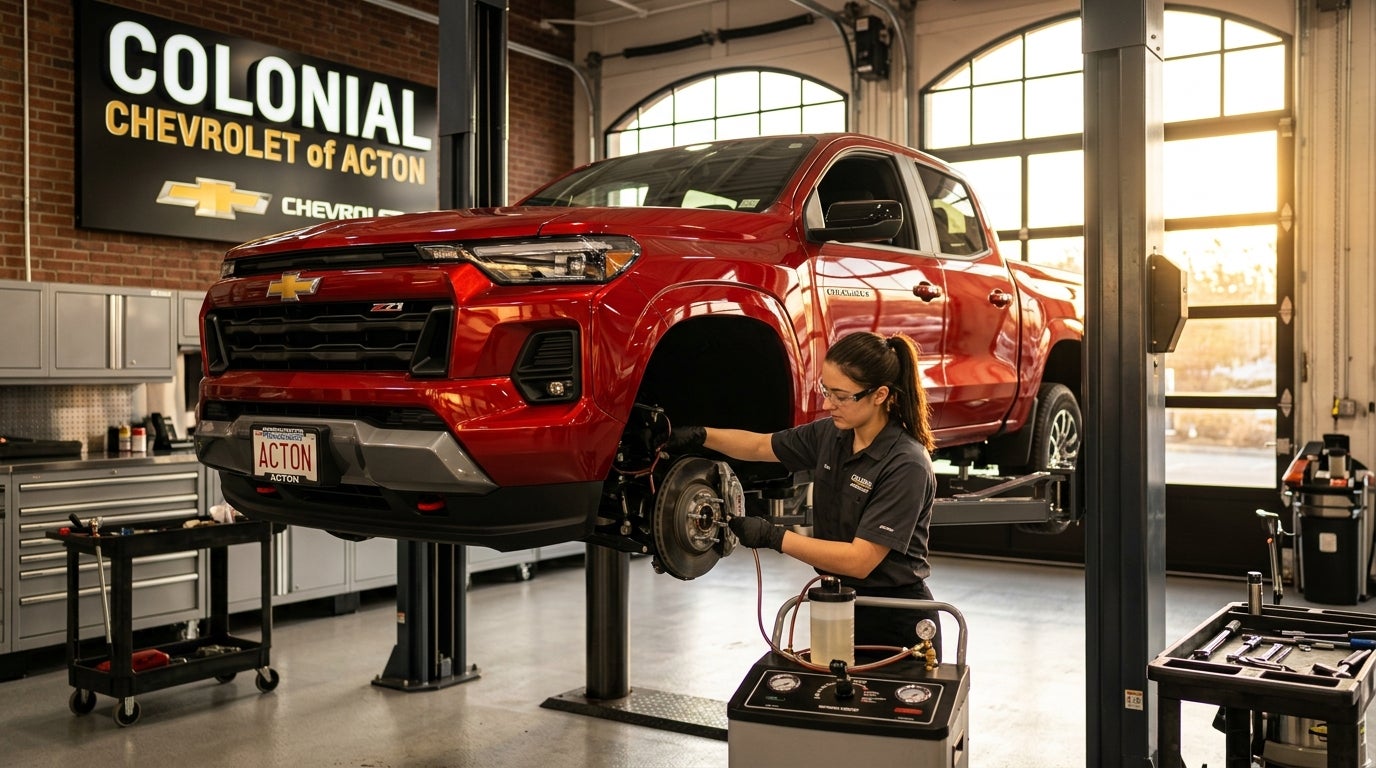
Why Is Fluid Replacement Essential for 2025 Chevrolet Reliability

Why Is Fluid Replacement Essential for 2025 Chevrolet Reliability?

Fluid replacement is essential for 2025 Chevrolet reliability because fresh automotive fluids prevent mechanical friction, regulate extreme operating temperatures, and stop chemical corrosion across critical powertrain and braking assemblies. Over time, internal lubricants and coolants absorb moisture, collect debris, and suffer thermal breakdown, leading to accelerated component wear, slipping transmissions, or hydraulic failure if left unserviced. Modern Chevrolet engineering relies on sophisticated onboard monitoring systems alongside strict physical inspection intervals to preserve operational health. Chevrolet vehicles feature an Oil Life Monitoring System that calculates remaining lubrication quality by analyzing engine revolutions, operating temperatures, idle duration, and engine loads. When lubrication depletes, the instrument cluster displays a "Change Engine Oil Soon" alert, indicating service is required within approximately 600 miles. Chevrolet mandates changing the engine oil and filter at least once per year even if the alert does not activate. Using the proper factory-approved fluid specification is critical to maintaining mechanical protection and preserving factory warranty terms. Chevrolet gasoline powertrains require dexos1 full synthetic engine oil to protect tight internal tolerances and prevent valvetrain wear. Similarly, engine coolant levels must be checked when cold at the surge tank; attempting to open a hot cooling system releases pressurized steam that can cause severe burns. Operating a vehicle in New England exposes critical underbody components to substantial seasonal temperature swings and corrosive winter road salt. Moisture accumulation inside brake hydraulic lines and breakdown of rust inhibitors in engine coolant happen progressively, making routine checks vital. When replenishing supplies or replacing components, drivers can order factory-engineered fluids through our genuine GM parts ordering department. For personalized service schedules or to address active dashboard warning lights, give a quick call to our service advisors or visit our Acton service department. Table of Contents Is a Fluid Flush or a Drain and Fill Better for High-Mileage Chevrolet Vehicles? What Transmission Fluid Specifications and Intervals Do 2025 Chevrolet Models Require? How Often Should Engine Coolant Be Flushed and What Color Is Standard DEX-COOL? What Does a Chevrolet Brake Fluid Flush Cost and Can Bundling Services Save Money? Where Can Acton-Area Chevrolet Owners Get Certified Maintenance Near Marlborough? Common Questions About Chevrolet Fluid Top-Ups and Flushes Is a Fluid Flush or a Drain and Fill Better for High-Mileage Chevrolet Vehicles? A drain and fill is generally better than a fluid flush for high-mileage Chevrolet vehicles that have gone long periods without regular maintenance. While a fluid flush uses pressure to exchange nearly 100 percent of the system's fluid, a drain and fill gently replaces a portion of the fluid along with the filter, reducing the risk of dislodging built-up varnish or sludge that could clog delicate internal valve bodies. Understanding the mechanical distinction between these two procedures helps owners select the correct service method. A fluid flush connects specialized exchange equipment to the transmission cooler lines, flushing out old fluid from the torque converter, fluid lines, and internal passages while pumping in fresh fluid. On well-maintained vehicles serviced at scheduled 45,000-mile or 90,000-mile intervals, a full flush efficiently removes suspended metallic particles and restored hydraulic line pressure. However, on older or high-mileage vehicles with neglected service histories, high-pressure flushing poses operational risks. Over tens of thousands of miles, degraded fluid forms varnish deposits and sludge along internal casing walls. Pressurized flushing can dislodge these deposits, allowing loose debris to migrate into narrow hydraulic solenoids or small valve passages. This contamination can cause delayed gear engagement, rough shifting, or clutch slippage. Our service advisors frequently observe that for high-mileage Chevrolet vehicles with neglected maintenance records, a gentle pan drop, filter change, and fluid refill is far safer than a high-pressure flush. Removing the transmission pan allows technicians to clean settled magnetic debris, replace the internal filter, and inspect for heavy clutch material before adding fresh fluid. Owners looking to manage routine maintenance costs can explore our current service and parts specials for savings on diagnostic checks and fluid services. What Transmission Fluid Specifications and Intervals Do 2025 Chevrolet Models Require? Most 2025 Chevrolet automatic transmissions require GM-validated full-synthetic fluids, specifically DEXRON-VI or DEXRON ULV (Ultra-Low Viscosity), depending on the specific transmission model. Factory maintenance schedules mandate fluid replacements every 45,000 miles under severe operating conditions or every 90,000 miles under standard driving conditions. GM engineered these synthetic formulations to maintain strict shear stability, oxidation resistance, and fluid flow across extreme thermal ranges. Modern multi-speed automatic transmissions—including 8-speed and 10-speed units found in vehicles like the Silverado, Tahoe, Suburban, and Colorado—rely on DEXRON ULV to reduce internal fluid drag and deliver precise hydraulic clutch control. Crossovers like the Equinox and Traverse utilize specified DEXRON-VI formulations engineered for transverse transaxle configurations. Chevrolet Powertrain Application Required Fluid Specification Normal Service Interval Severe Duty Interval 8-Speed / 10-Speed Automatic (Silverado, Tahoe, Suburban, Colorado) DEXRON ULV Full Synthetic 90,000 miles 45,000 miles 6-Speed / 9-Speed Automatic (Equinox, Traverse) DEXRON-VI Full Synthetic 90,000 miles 45,000 miles 4WD Transfer Case (Silverado 1500 / 2500 HD) AUTOTRAK II / OEM Transfer Case Fluid 90,000 miles 45,000 miles Front / Rear Axle Differentials 75W-90 Synthetic Gear Lubricant 90,000 miles 45,000 miles Severe operating conditions apply to a wide range of daily driving habits in New England. Severe duty includes frequent commercial hauling, trailer towing, off-road operation, extended idling, or repeated short trips in sub-freezing winter weather. Operating under these stresses breaks down fluid additives faster, increasing the need for 45,000-mile service intervals. Neglecting transmission fluid changes leads to fluid oxidation and thermal degradation. Dark, burnt fluid loses its friction-modifying properties, causing warning signs such as transmission slipping, delayed throttle response, shuddering during torque converter lockup, or elevated operating temperatures. Additionally, four-wheel-drive and all-wheel-drive models require separate transfer-case and differential fluid changes; these drivetrain components do not share fluid with the transmission and must be serviced independently. How Often Should Engine Coolant Be Flushed and What Color Is Standard DEX-COOL? Engine coolant in 2025 Chevrolet vehicles should be flushed and replaced every 5 years or 150,000 miles, whichever comes first, under normal operating conditions. Factory-installed Chevrolet coolant is standard DEX-COOL, which is easily identified by its distinct orange color. DEX-COOL is an extended-life organic acid technology (OAT) ethylene glycol coolant formulated specifically to protect aluminum engine blocks, cylinder heads, water pumps, and radiator cores from internal corrosion and scale buildup. Unlike conventional green silicated coolants, DEX-COOL contains silicate-free inhibitors that provide long-lasting protection without forming abrasive deposits on mechanical water pump seals. Proper coolant maintenance is vital for vehicles operating through the severe temperature variations common in New England. Winter freezes require precise 50/50 water-to-coolant concentration ratios to prevent engine block cracking at sub-zero temperatures, while summer heat demands optimal thermal transfer to prevent engine overheating. Technicians check coolant levels exclusively at the cold-fill line on the translucent surge tank when the engine is completely cool. Opening a pressurized, hot cooling system can cause scalding fluid to spray, leading to severe injuries. If the coolant appears brown, cloudy, or contains rust particles, a full system flush is required to remove rust scale and restore corrosion protection. What Does a Chevrolet Brake Fluid Flush Cost and Can Bundling Services Save Money? A complete Chevrolet brake fluid flush typically costs between $100 and $180, covering labor, complete hydraulic fluid extraction, line bleeding at all four calipers, and fresh fluid replenishment. Bundling a brake fluid flush with other routine services, such as a coolant exchange or transmission service, frequently lowers overall maintenance costs through package savings. Hydraulic brake fluid is glycol-based and naturally hygroscopic, meaning it absorbs ambient moisture directly through microscopic pores in flexible rubber brake hoses and reservoir seals over time. As water content increases, the boiling point of the brake fluid drops significantly. Under heavy braking or prolonged downhill driving, water-contaminated fluid can boil inside the calipers, creating vapor pockets that result in a soft, spongy brake pedal and reduced stopping power. Moisture Absorption -> Reduced Boiling Point -> Fluid Boiling Under Heat -> Vapor Locks -> Spongy Pedal / Brake Fade Chevrolet guidance recommends inspecting brake fluid condition during multi-point safety checks and performing a complete hydraulic flush every 3 years or 45,000 miles. Performance models operating with higher thermal loads require premium DOT 4 fluid, while standard light-duty vehicles utilize DOT 3 specifications. During a professional flush, certified technicians utilize diagnostic tools such as the GM MDI 2 scanner to cycle anti-lock braking system (ABS) solenoids open while using pressurized bleeders. This ensures dirty fluid trapped within internal ABS valves is completely purged—a step manual pedal pumping cannot achieve. Owners can set up an appointment through our online service scheduling portal. Where Can Acton-Area Chevrolet Owners Get Certified Maintenance Near Marlborough? Acton-area Chevrolet Equinox, Traverse, Trailblazer, Silverado and Colorado owners seeking factory-trained fluid care near Marlborough can visit Colonial Chevrolet, located at 171 Great Road in Acton. Our facility provides GM-certified technicians, factory-validated diagnostic equipment, and genuine original equipment fluids designed specifically for Chevrolet cars, trucks, and crossovers. Choosing factory-certified care ensures that maintenance operations match strict GM engineering standards. During every service visit, technicians connect your vehicle to active factory databases to check for module software updates, technical service bulletins (TSBs), and outstanding recall campaigns. Independent general repair facilities often lack direct real-time access to these proprietary software updates. Documenting complete maintenance records at a certified service center protects your factory warranty coverage. Chevrolet backs new vehicles with a 3-year/36,000-mile bumper-to-bumper limited warranty and a 5-year/60,000-mile powertrain limited warranty. Using spec-compliant dexos1 engine oils, DEXRON transmission fluids, and genuine filters maintains uninterrupted warranty protection over years of ownership. Daily commuting along the traffic corridors of Bedford places consistent thermal stress on engine oil, transmission clutches, and braking systems. Routine multi-point safety checks allow technicians to measure brake pad thickness in millimeters, evaluate battery health, test fluid moisture content, and inspect underbody heat shields before minor wear leads to unexpected roadside breakdowns. Common Questions About Chevrolet Fluid Top-Ups and Flushes Q: How can drivers check if their Chevrolet engine oil is low between scheduled service visits? Engine oil levels should be checked manually using the dipstick while the vehicle is parked on a level surface with the engine turned off and fully cooled down. Pull the dipstick from the engine block, wipe it clean with a lint-free cloth, reinsert it completely, and pull it out again to observe the oil level relative to the hatch marks. If the oil level rests below the minimum crosshatch line, add the recommended dexos1 synthetic oil specification before operating the vehicle. Q: What happens if DOT 3 and DOT 4 brake fluids are mixed in a Chevrolet? While DOT 3 and DOT 4 brake fluids are both glycol-based and chemically compatible, mixing them lowers the overall boiling point of the mixture down toward DOT 3 levels. Chevrolet models engineered specifically for higher thermal loads or heavy trailering require uncompromised DOT 4 fluid to prevent fluid boiling and pedal fade under severe stopping conditions. Q: Are transmission fluid leaks covered under Chevrolet powertrain warranty terms? Fluid leaks resulting from manufacturing defects in factory shaft seals, gaskets, pan seals, or transmission housing castings are generally covered under Chevrolet's 5-year/60,000-mile powertrain limited warranty. However, leaks caused by external road debris impacts, lack of scheduled maintenance, or using unapproved non-spec fluids are excluded from coverage. Q: Why does my Chevrolet coolant reservoir level drop slightly without any visible leaks? Minor coolant level fluctuations inside the translucent expansion tank occur naturally due to thermal expansion, evaporation through atmospheric pressure caps, and temperature changes. However, a rapid or continuous drop in coolant level indicates an internal leak—such as a failing head gasket or intake manifold seal—or an external weep at a hose fitting that requires immediate cooling system pressure testing. Q: Can synthetic fluids be used for all 2025 Chevrolet fluid flushes? Yes, modern 2025 Chevrolet powertrains are factory-engineered exclusively for full-synthetic fluid formulations. Fluids such as dexos1 engine oil, DEXRON-VI, and DEXRON ULV automatic transmission fluids are full synthetics designed to provide high oxidation stability, thermal resistance, and low-temperature fluidity. To arrange your next fluid inspection, pan drop, or complete system flush, visit our Great Road dealership facility or call our team directly at (978) 206-1952 to speak with a certified service advisor. © 2026 Colonial Chevrolet. All rights reserved.
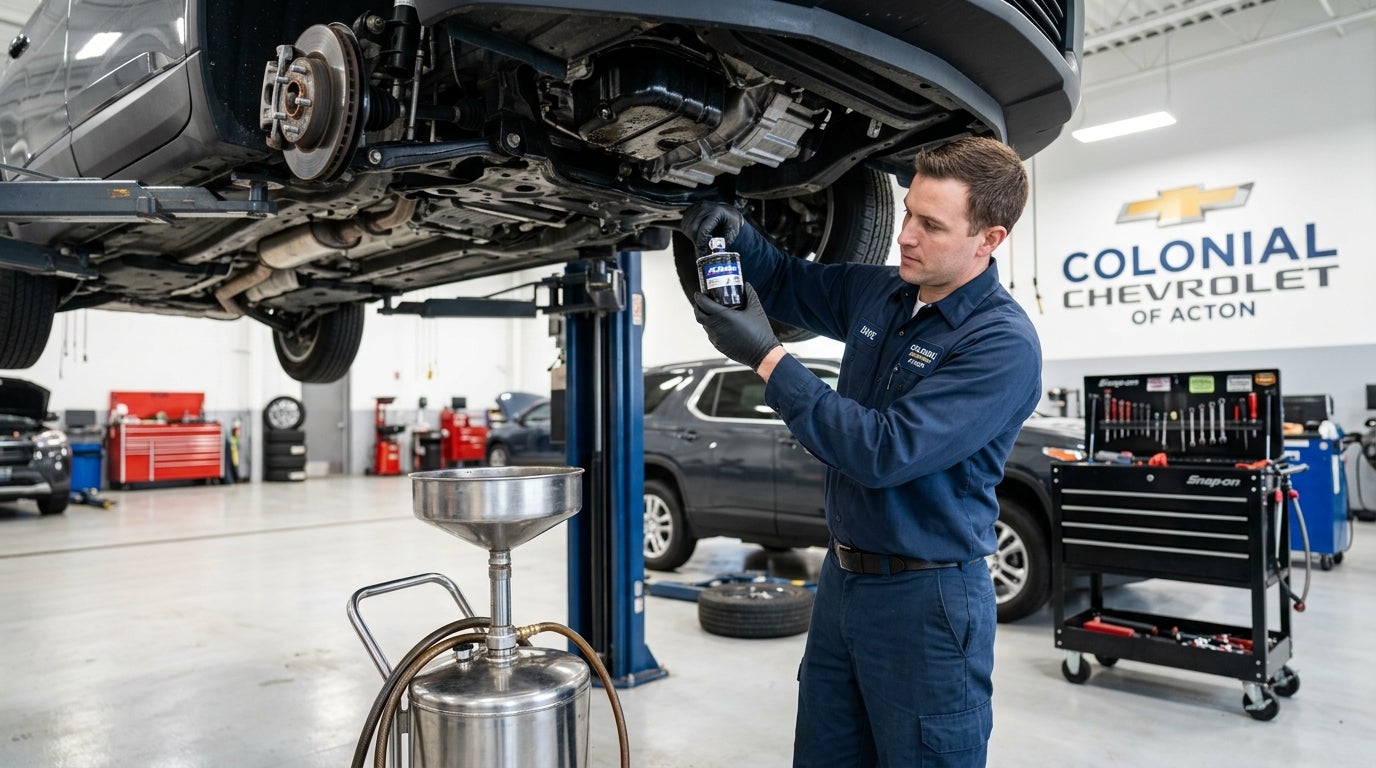
What Should You Expect During a Chevrolet Oil Change Service

What Should You Expect During a Chevrolet Oil Change Service?

During a Chevrolet oil change service, technicians drain the depleted motor oil, replace the oil filter with an original equipment filter, refill the crankcase with factory-specified dexos1 synthetic oil, conduct a comprehensive multi-point vehicle inspection, and reset the Oil Life Monitoring System. This complete maintenance process restores vital engine lubrication, protects internal components against friction and heat buildup, and maintains optimal engine performance and factory warranty coverage. Regular lubrication service forms the foundation of long-term vehicle health. Engine oil circulates through internal passages to cool moving parts, neutralize harmful combustion byproducts, and prevent metallic wear. Over time, heat and mechanical shear forces break down the chemical additives in motor oil, diminishing its ability to protect critical components like camshafts, pistons, and main bearings. When you bring your vehicle in for maintenance, qualified technicians follow factory service procedures to ensure every step is completed accurately. The old oil is fully drained from the oil pan sump while heated to flush out suspended particulates. A fresh drain plug gasket is installed, and the technician replaces the filter element before refilling the engine with the exact fluid capacity and viscosity grade specified by General Motors. Alongside fluid replacement, routine service acts as a preventative checkup for your vehicle. Catching minor wear early prevents unexpected breakdowns on the road. If you have questions about your vehicle's specific maintenance interval or require immediate service, give our service department (978) 206-1952 a quick call or drop by getting directions to Colonial Chevrolet for expert assistance. Table of Contents What Is Included in a Chevrolet Certified Service Oil Change and Why Use OEM Filters? Can Using Non-dexos Approved Oil Void Your Chevrolet Warranty? How Accurate Is the Chevy Oil Life Monitoring System and What Happens If You Delay? Where to Find Certified Chevrolet Oil Change Service Near Acton Common Questions About Chevrolet Oil Change Maintenance Schedule Your Chevrolet Maintenance at Colonial Chevrolet What Is Included in a Chevrolet Certified Service Oil Change and Why Use OEM Filters? A Chevrolet Certified Service oil change includes draining worn engine oil, installing a genuine ACDelco oil filter, refilling with licensed dexos1 full synthetic oil, performing a multi-point vehicle inspection, and checking essential fluid levels. Utilizing original equipment oil filters guarantees proper bypass pressure ratings and structural integrity designed specifically for General Motors engine oil flow rates. Certified service extends beyond a simple fluid change. During a maintenance visit, factory-trained technicians systematically evaluate critical operating systems across your vehicle. The multi-point inspection covers essential safety and mechanical areas to give you a clear picture of vehicle condition: Fluid Inspections: Checking brake fluid, engine coolant, transmission fluid, and windshield washer fluid levels and condition. Tire Maintenance: Measuring tread depth, checking for uneven wear patterns, and adjusting inflation pressure to recommended specifications. Brake System Assessment: Visually inspecting brake pad thickness, rotor surfaces, and hydraulic lines for leaks. Under-Hood Systems: Checking battery terminal corrosion, testing battery charge capacity, and inspecting drive belts and cooling hoses for cracking. The choice of oil filter plays a massive role in maintaining oil pressure and internal engine cleanliness. Original equipment ACDelco filters feature synthetic blend filter media engineered to capture particles down to microscopic micron sizes without restricting fluid flow. Unlike low-cost aftermarket alternatives, OEM filters incorporate precise internal bypass pressure springs and synthetic anti-drainback valves. The anti-drainback valve prevents oil from draining out of the filter into the sump when the engine is turned off, ensuring immediate oil pressure to upper cylinder heads upon start-up. To keep your powertrain running at peak efficiency, easily secure your next maintenance visit by scheduling an online service appointment. If you prefer to perform maintenance in your own garage, you can lock in high-grade components by ordering genuine ACDelco components directly from our parts center, or review our current service and parts specials before booking. Can Using Non-dexos Approved Oil Void Your Chevrolet Warranty? Using engine oil that lacks GM dexos1 licensing approval can compromise engine longevity and result in component damage that is excluded from 5-year/60,000-mile powertrain limited warranty coverage. Chevrolet explicitly requires licensed dexos1 synthetic oil for modern gasoline engines to ensure resistance to oxidation, sludge prevention, and protection under extreme thermal stress. General Motors established the dexos1 specification to create a global standard tailored to the tight clearances and high operating temperatures of modern engines. Turbocharged, direct-injection engines subject motor oil to severe thermal cycles that can cause inferior oils to vaporize, break down, and form carbon deposits on intake valves and turbo bearings. Oils bearing the official licensed dexos1 seal have passed rigorous testing for low-speed pre-ignition protection, wear resistance, deposit control, and volatility. Under federal warranty laws, vehicle manufacturers cannot automatically void a entire vehicle warranty simply because non-OEM fluid was used. However, if a mechanical failure occurs—such as camshaft scoring, turbocharger failure, or timing chain wear—and diagnosis reveals the failure resulted from using unapproved, non-compliant motor oil, General Motors reserves the right to deny warranty coverage for that specific repair. Many retail oil bottles display phrases like "meets dexos requirements" or "recommended for dexos applications" without possessing an official licensing number. Chevrolet owners should verify that the motor oil poured into their engine displays the trademarked dexos1 logo and approval code on the label. Relying on certified service ensures only fully validated, factory-approved lubricants enter your crankcase. How Accurate Is the Chevy Oil Life Monitoring System and What Happens If You Delay? The Chevy Oil Life Monitoring System is highly accurate because it continuously calculates engine operating temperatures, rev counts, cold starts, and driving habits rather than relying on a static mileage counter. Neglecting maintenance past the system's threshold causes oil oxidation, thermal breakdown, sludge accumulation, accelerated valve train wear, and reduced overall fuel efficiency. Unlike traditional maintenance schedules that relied strictly on 3,000-mile or 5,000-mile markers, the engine Oil Life Monitoring System uses advanced algorithms to monitor actual engine operating conditions. The system factors in key parameters that influence fluid degradation: Engine Speed and Load: High RPMs and heavy engine loads increase oil shear and temperature. Ambient and Operating Temperatures: Short trips in cold weather prevent the oil from reaching temperature, trapping moisture in the crankcase. Idling and Stop-and-Go Driving: Extended idling hours degrade fluid without accumulating odometer mileage. Our service advisors notice that drivers often assume the monitor is a basic mileage countdown, but the system actively tracks engine load and thermal cycles to adjust remaining percentage. Drivers navigating winter cold starts and short suburban commutes in Bedford often see their oil life indicator count down faster due to repeated low-temperature operating cycles. Exceeding the recommended oil change window past zero percent remaining life creates real mechanical risks. As additive packages deplete, motor oil loses its ability to suspend contaminants and fight acid formation. Depleted oil transforms into thick engine sludge, clogging oil pickup screens, passages, and variable valve timing actuators. This oil starvation causes metal-on-metal friction, severe internal scoring, and potential engine failure. Where to Find Certified Chevrolet Oil Change Service Near Acton Drivers seeking certified Chevrolet oil change service near Marlborough and surrounding Middlesex County communities can access factory-trained technicians, specialized diagnostic tools, and genuine General Motors parts right here at Colonial Chevrolet. Our dedicated facility delivers comprehensive maintenance tailored specifically to Chevrolet cars, trucks, and SUVs. Independent repair facilities and quick-lube shops frequently utilize universal motor oils and generic aftermarket filters designed to fit multiple vehicle makes. While these generic components may appear cost-effective initially, they often lack the precise pressure relief specs and filtration capabilities required by General Motors powertrains. Certified dealership service ensures that every fluid change utilizes factory-recommended viscosity grades, genuine ACDelco filters, and OEM service guidelines. Furthermore, dealership maintenance builds a continuous, verified service history within the General Motors national network. Should you ever require warranty coverage or decide to sell your vehicle down the road, documented certified maintenance offers clear proof of proper care. For commuters traveling along Route 2 and Great Road through Acton, staying on top of scheduled fluid changes ensures consistent power delivery and engine protection during heavy highway traffic. Common Questions About Chevrolet Oil Change Maintenance Q: How often does a Chevrolet vehicle need an oil change under normal driving conditions? Most modern Chevrolet vehicles utilizing synthetic oil require service every 7,500 to 10,000 miles, or at least once per year. The exact timing should follow the Oil Life Monitoring System, which displays a warning message when remaining fluid life drops below 15 percent. Older models without an automated monitoring system should adhere to the strict mileage interval indicated in the owner manual. Q: What should you do immediately after the "Change Engine Oil Soon" message appears? When the "Change Engine Oil Soon" message illuminates on the driver information center, service should be scheduled within the next 600 miles or prior to your next long trip. Continuing to operate the vehicle past zero percent remaining oil life exposes internal bearings, pistons, and timing components to excessive friction and heat. Once fresh oil is added, technicians reset the monitoring system to begin a new evaluation cycle. Q: Is a multi-point inspection included with a standard Chevrolet oil change? Yes, a Chevrolet Certified Service oil change includes a multi-point vehicle inspection. Factory-trained technicians evaluate critical safety components, including brake pad thickness, tire tread depth and inflation pressures, battery charge health, steering linkages, and essential under-hood fluid levels. This evaluation helps identify minor wear patterns before they turn into costly mechanical failures. Q: How do ACDelco Gold filters differ from standard quick-lube filters? ACDelco original equipment oil filters feature synthetic blend filter media that traps smaller contaminants while maintaining high oil flow rates required by high-output engines. They also contain engineered anti-drainback valves that prevent dry starts by keeping oil within the upper engine galleries during extended parking. Generic aftermarket filters often utilize paper media and lower-grade bypass valves that can restrict oil volume under heavy load. Q: Does cold winter weather affect how fast Chevrolet engine oil degrades? Cold weather accelerates engine oil breakdown due to frequent low-temperature starts and moisture condensation within the crankcase. During short winter trips where the engine does not reach full operating temperature, fuel and moisture vapor can accumulate in the sump, accelerating oil breakdown. The Oil Life Monitoring System accounts for low ambient temperatures and short heating cycles, calling for maintenance sooner to protect vital internal components. Schedule Your Chevrolet Maintenance at Colonial Chevrolet Protecting your engine's power, fuel economy, and operational lifespan requires consistent adherence to factory maintenance standards. Our service department provides the certified technical expertise, genuine ACDelco parts, and factory-licensed dexos1 synthetic oils necessary to keep your vehicle performing reliably for miles to come. Take proactive care of your vehicle today by booking an appointment online or by getting directions to Colonial Chevrolet for in-person service. Our dedicated team is ready to assist with all your routine maintenance needs—give our service center (978) 206-1952 a call today to confirm your schedule. © 2026 Colonial Chevrolet. All rights reserved.