


Blog / Service

Why Is Fluid Replacement Essential for 2025 Chevrolet Reliability?

Why Is Fluid Replacement Essential for 2025 Chevrolet Reliability

The 2026 Chrysler Pacifica stands out against rivals like the Honda Odyssey, Toyota Sienna, and Kia Carnival by offering class-exclusive Stow 'n Go seating that folds second- and third-row seats flat into floor bins, an available 3.6-liter Pentastar V6 engine producing 287 hp, and optional all-wheel drive. While the Toyota Sienna relies on a hybrid-only powertrain and the Honda Odyssey lacks underfloor second-row storage, the Pacifica balances maximum cabin versatility with confident all-weather performance.

Minivan shoppers evaluating family haulers quickly discover that passenger comfort and cargo flexibility dictate daily satisfaction. Comparing the top models in this segment reveals key mechanical and interior distinctions:

  • Chrysler Pacifica vs. Honda Odyssey: Both minivans utilize powerful gas V6 engines. The Pacifica delivers 19 mpg city and 28 mpg highway in front-wheel drive, matching the Odyssey's EPA ratings. However, the Pacifica offers available all-wheel drive for enhanced winter and rain traction, whereas the Odyssey remains strictly front-wheel drive. Additionally, the Odyssey requires physically removing heavy second-row seats to open up maximum cargo room.
  • Chrysler Pacifica vs. Toyota Sienna: The Sienna achieves strong overall fuel economy with its four-cylinder hybrid setup, but its second-row seats cannot fold into the floor. The Pacifica provides up to 141 cubic feet of total cargo volume behind the front seats without requiring you to store seats in a garage.
  • Chrysler Pacifica vs. Kia Carnival: The Carnival delivers competitive V6 power, but it does not offer all-wheel drive or underfloor second-row seat storage.

Families comparing minivans on our lot usually look at how quickly the cabin converts from seating to flat floor cargo space before asking about any other feature. When you are ready to evaluate these cabin configurations in person, stop by our showroom location or give our sales team a quick call at (805) 918-4486 to arrange a full walk-around.

Table of Contents

How Does Chrysler's Stow 'n Go Seating System Work?

Chrysler's Stow 'n Go seating system works through underfloor storage compartments built directly into the vehicle's floor pan, allowing both second- and third-row seats to fold entirely flat without being removed from the minivan. By sliding the front seats forward, raising the floor panel covers, and pulling a single release strap, each second-row seat pivots cleanly forward into its designated floor bin.

Transforming the cabin from a seven-passenger vehicle into a flat-floor cargo transporter takes less than a minute. Here is the exact fold sequence:

  1. Move the Front Seats: Slide the driver or front passenger seat forward using power controls to clear space over the floor bins.
  2. Open the Bin Cover: Lift the latch on the carpeted floor panel located directly in front of the second-row seat to open the underfloor storage compartment.
  3. Release the Seat: Pull the Stow 'n Go release strap located near the base of the second-row seat. The seat mechanism folds down and tumbles forward directly into the open floor bin.
  4. Close the Floor Panel: Lower the carpeted floor cover back into place over the stowed seat, creating a completely flat, level floor surface.

The third-row 60/40 split-bench seat follows a similar principle, tumbling backward into the deep rear cargo well in one fluid motion. When all rear seats are upright, the second-row underfloor bins provide concealed storage space for gear, luggage, or tools.

For families searching for maximum interior utility on a budget, exploring pre-owned vehicle options equipped with Stow 'n Go seating offers exceptional long-term versatility for weekend trips and daily hauling alike.

What Engine Options and Fuel Economy Ratings Are Available in the 2026 Chrysler Pacifica?

Delivering 287 hp and 262 lb-ft of torque, the 2026 Chrysler Pacifica's 3.6-liter Pentastar V6 engine pairs with a nine-speed automatic transmission for a smooth and efficient ride. Front-wheel-drive configurations achieve EPA-estimated fuel economy ratings of 19 mpg city and 28 mpg highway, while all-wheel-drive variants yield 17 mpg city and 25 mpg highway.

The Pentastar V6 features double overhead camshafts, variable valve timing, and engine stop-start technology to minimize idle fuel consumption during traffic stops. This powertrain provides brisk acceleration when merging onto fast-moving freeways and steady power when climbing steep highway passes with a full load of passengers.

Key performance and capability figures for the 2026 Chrysler Pacifica include:

  • Maximum Towing Capacity: Up to 3,600 lbs when properly equipped with the factory towing package, enabling you to pull light utility trailers, small watercraft, or pop-up campers.
  • Fuel Tank Size: 19 gallons, providing a driving range of up to 430 miles on highway road trips between fill-ups.
  • All-Wheel Drive System: An available fully automatic system that monitors wheel speed, steering input, and ambient temperature, engaging torque transfer to the rear wheels only when extra traction is needed.

If you are planning to upgrade your current ride to a new V6 minivan, utilize our trade-in appraisal tool to estimate your current vehicle's trade value before visiting the showroom.

What Are the Key Differences Between Chrysler Pacifica Trim Levels?

The 2026 Chrysler Pacifica lineup consists of distinct trim levels—starting with the entry LX and core Select, moving up to the refined Limited, and culminating in the top-tier Pinnacle—each tailored to specific equipment and luxury preferences. Stepping up through the model range unlocks advanced convenience technologies, premium interior materials, and expanded wheel choices.

Here is how the primary trim levels compare:

  • LX & Select: The LX and Select trims focus on core utility and family comfort. Standard equipment includes synthetic leather upholstery, heated front seats, a heated steering wheel, tri-zone automatic climate control, power sliding side doors, a power liftgate, and the 10.1-inch Uconnect 5 NAV touchscreen infotainment system featuring wireless Apple CarPlay and Android Auto.
  • Limited: The Limited trim adds an upscale touch with genuine leather seating surfaces, ventilated front seats, integrated navigation, hands-free operation for the sliding side doors and liftgate, an integrated Stow 'n Vac vacuum powered by RIDGID, and optional 20-inch Foreshadow wheels.
  • Pinnacle: As the flagship model, the Pinnacle delivers top-tier luxury. It comes standard with quilted sepia Nappa leather-trimmed seats, second-row lumbar pillows, platinum chrome exterior trim, 20-inch polished wheels, a 19-speaker Harman Kardon premium audio system, and the FamCAM interior cabin camera that lets parents monitor rear-facing child seats from the main touchscreen.

To explore lease or loan options tailored to your preferred trim level, complete our secure online credit application to get pre-approved before your test drive.

What Warranty Coverage and California Incentives Apply to New Chrysler Vehicles?

Every new Chrysler vehicle includes a 3-year/36,000-mile basic limited warranty providing bumper-to-bumper protection and a 5-year/60,000-mile powertrain limited warranty covering engine, transmission, and drive system components. Chrysler also includes 24-hour roadside assistance service for 5 years or 60,000 miles to support you with battery jumpstarts, flat tire changes, fuel delivery, or towing assistance.

In California, new vehicles are backed by the California Emissions Standard Warranty, which requires diagnosis, repair, or replacement of emission-related components at no charge if a vehicle fails state smog standards or exhibits a defective anti-smog part.

Regarding clean vehicle purchase incentives, federal tax credits under IRC §30D terminated for vehicles acquired after September 30, 2025 under Public Law 119-21. Current buyers looking at plug-in hybrid or electrified inventory should evaluate potential state or local utility rebates, such as regional air district grants or home Level 2 charger installation rebates offered through local power providers.

Drivers ready to explore our complete stock of family vehicles can review our new vehicle inventory online to see available colors, trim packages, and installed features.

Where Is the Nearest Chrysler Dealership Serving Camarillo, California?

Crown Dodge Chrysler Jeep RAM, located at 6300 King Dr, Ventura, CA 93003, is the primary authorized Chrysler dealer serving drivers across Camarillo and the surrounding Ventura County area. Located just a short drive down Highway 101 past the Conejo Grade, our showroom provides direct access to new Chrysler minivans, comprehensive vehicle trade-in services, and flexible financing solutions.

Suburban families in Camarillo navigating daily school drop-offs or commuting along Highway 101 benefit from our nearby location and dedicated sales team. Whether you need a spacious van for family road trips or a flexible cargo vehicle for local activities, our inventory offers options built for Southern California lifestyles.

For commuters driving across the flat coastal plain of Oxnard, our selection of all-wheel-drive Chrysler minivans delivers confident handling during foggy coastal mornings and rainy highway drives. Visit our showroom to test drive a new Pacifica, review trade-in values, and work directly with our financing specialists.

Frequently Asked Questions About the Chrysler Lineup

Q: Does the 2026 Chrysler Pacifica offer all-wheel drive on all trim levels?

All-wheel drive is available on the Select, Limited, and Pinnacle trims of the 2026 Chrysler Pacifica, while front-wheel drive comes standard across the entire lineup. The all-wheel-drive system operates automatically, transferring engine torque to the rear wheels whenever road slip, rapid acceleration, or cold weather conditions are detected.

Q: What is the maximum towing capacity of a gas-powered Chrysler Pacifica?

When equipped with the available factory trailer tow package, the gas-powered Chrysler Pacifica achieves a maximum towing capacity of 3,600 lbs. This capacity easily handles light utility trailers, small boat trailers, or compact pop-up campers for family camping excursions.

Q: Can child safety seats stay installed when using second-row Easy Tilt seating?

Second-row Easy Tilt seating allows the second-row captain's chair to tilt forward for easy access to the third row while a child safety seat remains securely latched in place. However, to fold the second-row seats flat into the floor bins using the Stow 'n Go system, any installed child seats must first be removed.

Q: How long is the standard roadside assistance plan on a new Chrysler?

Chrysler provides standard 24-hour roadside assistance coverage for 5 years or 60,000 miles, whichever comes first. Services include emergency towing to the nearest authorized dealership, flat tire assistance, battery jumpstarts, and emergency fuel delivery.

Q: What documents should buyers bring when applying for auto financing at the dealership?

Buyers applying for auto financing should bring a valid driver's license, recent proof of income such as pay stubs, proof of residency like a utility bill, current vehicle insurance information, and title or registration documents if trading in an existing vehicle.

To test drive the 2026 Chrysler Pacifica or speak with our sales staff, visit Crown Dodge Chrysler Jeep RAM at 6300 King Dr, Ventura, CA 93003, get directions to our showroom, or give us a quick call at (805) 918-4486 today.

Keep Your Vehicle Running Strong

Keep your vehicle performing at its best with our service team:


© 2026 Crown Dodge Chrysler Jeep RAM. All rights reserved.

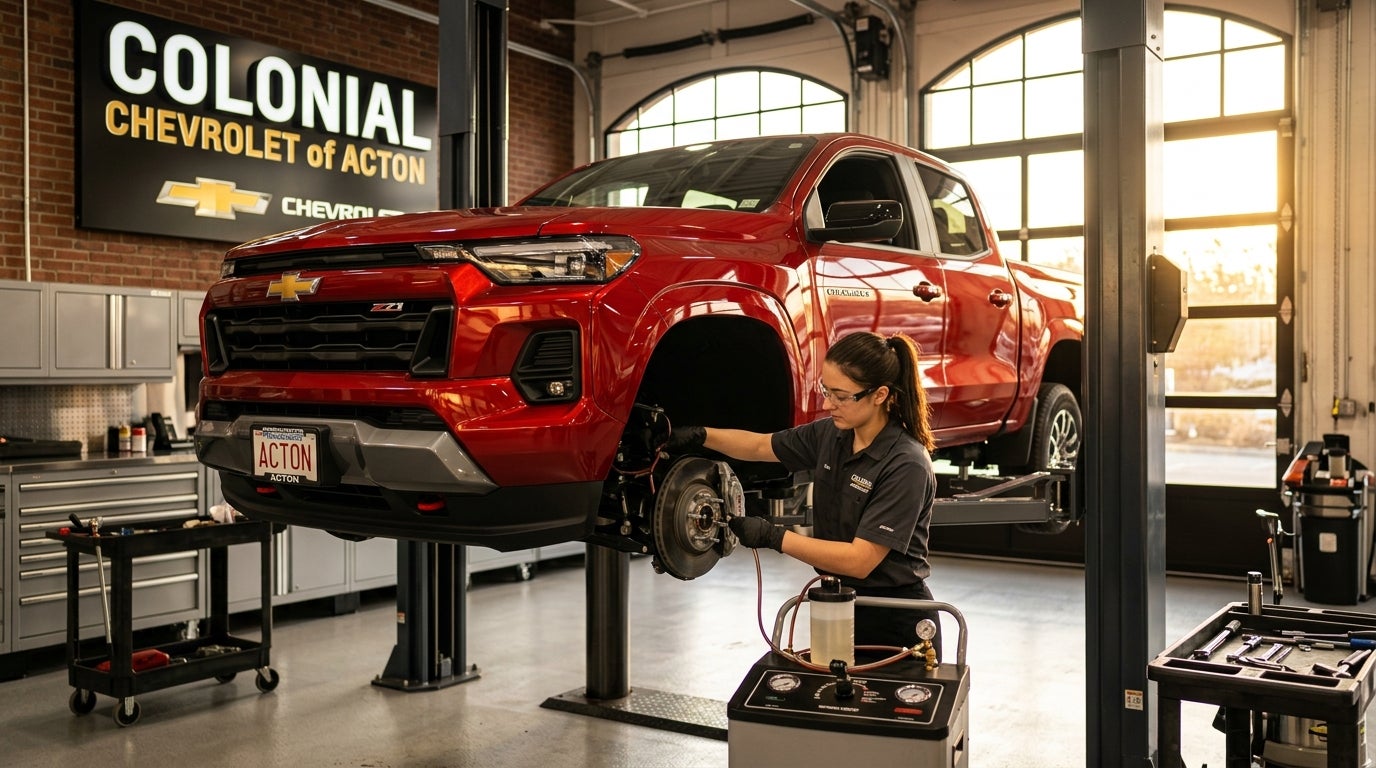
Fluid replacement is essential for 2025 Chevrolet reliability because fresh automotive fluids prevent mechanical friction, regulate extreme operating temperatures, and stop chemical corrosion across critical powertrain and braking assemblies. Over time, internal lubricants and coolants absorb moisture, collect debris, and suffer thermal breakdown, leading to accelerated component wear, slipping transmissions, or hydraulic failure if left unserviced.

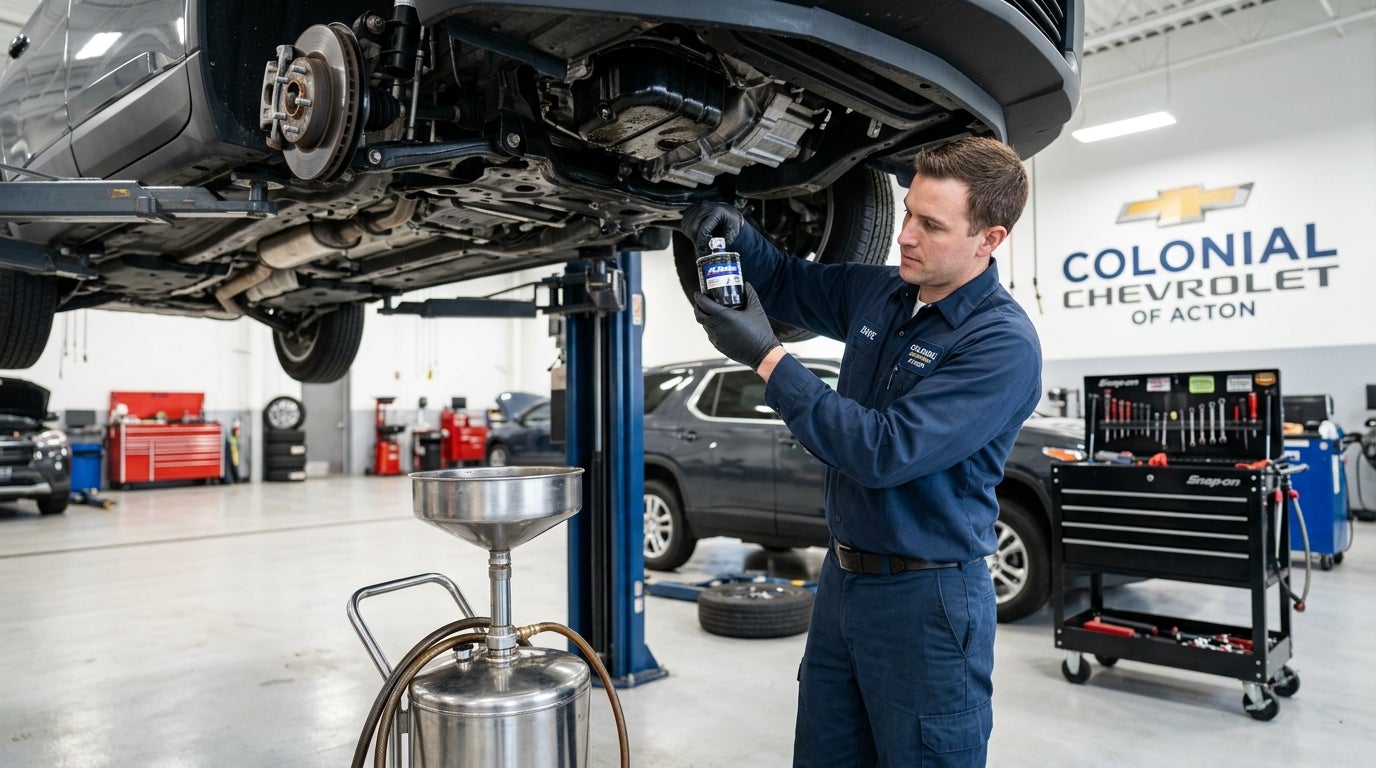
Modern Chevrolet engineering relies on sophisticated onboard monitoring systems alongside strict physical inspection intervals to preserve operational health. Chevrolet vehicles feature an Oil Life Monitoring System that calculates remaining lubrication quality by analyzing engine revolutions, operating temperatures, idle duration, and engine loads. When lubrication depletes, the instrument cluster displays a "Change Engine Oil Soon" alert, indicating service is required within approximately 600 miles. Chevrolet mandates changing the engine oil and filter at least once per year even if the alert does not activate.

Using the proper factory-approved fluid specification is critical to maintaining mechanical protection and preserving factory warranty terms. Chevrolet gasoline powertrains require dexos1 full synthetic engine oil to protect tight internal tolerances and prevent valvetrain wear. Similarly, engine coolant levels must be checked when cold at the surge tank; attempting to open a hot cooling system releases pressurized steam that can cause severe burns.

Operating a vehicle in New England exposes critical underbody components to substantial seasonal temperature swings and corrosive winter road salt. Moisture accumulation inside brake hydraulic lines and breakdown of rust inhibitors in engine coolant happen progressively, making routine checks vital. When replenishing supplies or replacing components, drivers can order factory-engineered fluids through our genuine GM parts ordering department. For personalized service schedules or to address active dashboard warning lights, give a quick call to our service advisors or visit our Acton service department.

Table of Contents

Is a Fluid Flush or a Drain and Fill Better for High-Mileage Chevrolet Vehicles?

A drain and fill is generally better than a fluid flush for high-mileage Chevrolet vehicles that have gone long periods without regular maintenance. While a fluid flush uses pressure to exchange nearly 100 percent of the system's fluid, a drain and fill gently replaces a portion of the fluid along with the filter, reducing the risk of dislodging built-up varnish or sludge that could clog delicate internal valve bodies.

Understanding the mechanical distinction between these two procedures helps owners select the correct service method. A fluid flush connects specialized exchange equipment to the transmission cooler lines, flushing out old fluid from the torque converter, fluid lines, and internal passages while pumping in fresh fluid. On well-maintained vehicles serviced at scheduled 45,000-mile or 90,000-mile intervals, a full flush efficiently removes suspended metallic particles and restored hydraulic line pressure.

However, on older or high-mileage vehicles with neglected service histories, high-pressure flushing poses operational risks. Over tens of thousands of miles, degraded fluid forms varnish deposits and sludge along internal casing walls. Pressurized flushing can dislodge these deposits, allowing loose debris to migrate into narrow hydraulic solenoids or small valve passages. This contamination can cause delayed gear engagement, rough shifting, or clutch slippage.

Our service advisors frequently observe that for high-mileage Chevrolet vehicles with neglected maintenance records, a gentle pan drop, filter change, and fluid refill is far safer than a high-pressure flush. Removing the transmission pan allows technicians to clean settled magnetic debris, replace the internal filter, and inspect for heavy clutch material before adding fresh fluid. Owners looking to manage routine maintenance costs can explore our current service and parts specials for savings on diagnostic checks and fluid services.

What Transmission Fluid Specifications and Intervals Do 2025 Chevrolet Models Require?

Most 2025 Chevrolet automatic transmissions require GM-validated full-synthetic fluids, specifically DEXRON-VI or DEXRON ULV (Ultra-Low Viscosity), depending on the specific transmission model. Factory maintenance schedules mandate fluid replacements every 45,000 miles under severe operating conditions or every 90,000 miles under standard driving conditions.

GM engineered these synthetic formulations to maintain strict shear stability, oxidation resistance, and fluid flow across extreme thermal ranges. Modern multi-speed automatic transmissions—including 8-speed and 10-speed units found in vehicles like the Silverado, Tahoe, Suburban, and Colorado—rely on DEXRON ULV to reduce internal fluid drag and deliver precise hydraulic clutch control. Crossovers like the Equinox and Traverse utilize specified DEXRON-VI formulations engineered for transverse transaxle configurations.

Chevrolet Powertrain Application Required Fluid Specification Normal Service Interval Severe Duty Interval
8-Speed / 10-Speed Automatic (Silverado, Tahoe, Suburban, Colorado) DEXRON ULV Full Synthetic 90,000 miles 45,000 miles
6-Speed / 9-Speed Automatic (Equinox, Traverse) DEXRON-VI Full Synthetic 90,000 miles 45,000 miles
4WD Transfer Case (Silverado 1500 / 2500 HD) AUTOTRAK II / OEM Transfer Case Fluid 90,000 miles 45,000 miles
Front / Rear Axle Differentials 75W-90 Synthetic Gear Lubricant 90,000 miles 45,000 miles

Severe operating conditions apply to a wide range of daily driving habits in New England. Severe duty includes frequent commercial hauling, trailer towing, off-road operation, extended idling, or repeated short trips in sub-freezing winter weather. Operating under these stresses breaks down fluid additives faster, increasing the need for 45,000-mile service intervals.

Neglecting transmission fluid changes leads to fluid oxidation and thermal degradation. Dark, burnt fluid loses its friction-modifying properties, causing warning signs such as transmission slipping, delayed throttle response, shuddering during torque converter lockup, or elevated operating temperatures. Additionally, four-wheel-drive and all-wheel-drive models require separate transfer-case and differential fluid changes; these drivetrain components do not share fluid with the transmission and must be serviced independently.

How Often Should Engine Coolant Be Flushed and What Color Is Standard DEX-COOL?

Engine coolant in 2025 Chevrolet vehicles should be flushed and replaced every 5 years or 150,000 miles, whichever comes first, under normal operating conditions. Factory-installed Chevrolet coolant is standard DEX-COOL, which is easily identified by its distinct orange color.

DEX-COOL is an extended-life organic acid technology (OAT) ethylene glycol coolant formulated specifically to protect aluminum engine blocks, cylinder heads, water pumps, and radiator cores from internal corrosion and scale buildup. Unlike conventional green silicated coolants, DEX-COOL contains silicate-free inhibitors that provide long-lasting protection without forming abrasive deposits on mechanical water pump seals.

Proper coolant maintenance is vital for vehicles operating through the severe temperature variations common in New England. Winter freezes require precise 50/50 water-to-coolant concentration ratios to prevent engine block cracking at sub-zero temperatures, while summer heat demands optimal thermal transfer to prevent engine overheating.

Technicians check coolant levels exclusively at the cold-fill line on the translucent surge tank when the engine is completely cool. Opening a pressurized, hot cooling system can cause scalding fluid to spray, leading to severe injuries. If the coolant appears brown, cloudy, or contains rust particles, a full system flush is required to remove rust scale and restore corrosion protection.

What Does a Chevrolet Brake Fluid Flush Cost and Can Bundling Services Save Money?

A complete Chevrolet brake fluid flush typically costs between $100 and $180, covering labor, complete hydraulic fluid extraction, line bleeding at all four calipers, and fresh fluid replenishment. Bundling a brake fluid flush with other routine services, such as a coolant exchange or transmission service, frequently lowers overall maintenance costs through package savings.

Hydraulic brake fluid is glycol-based and naturally hygroscopic, meaning it absorbs ambient moisture directly through microscopic pores in flexible rubber brake hoses and reservoir seals over time. As water content increases, the boiling point of the brake fluid drops significantly. Under heavy braking or prolonged downhill driving, water-contaminated fluid can boil inside the calipers, creating vapor pockets that result in a soft, spongy brake pedal and reduced stopping power.

Moisture Absorption → Reduced Boiling Point → Fluid Boiling Under Heat → Vapor Locks → Spongy Pedal / Brake Fade

Chevrolet guidance recommends inspecting brake fluid condition during multi-point safety checks and performing a complete hydraulic flush every 3 years or 45,000 miles. Performance models operating with higher thermal loads require premium DOT 4 fluid, while standard light-duty vehicles utilize DOT 3 specifications.

During a professional flush, certified technicians utilize diagnostic tools such as the GM MDI 2 scanner to cycle anti-lock braking system (ABS) solenoids open while using pressurized bleeders. This ensures dirty fluid trapped within internal ABS valves is completely purged—a step manual pedal pumping cannot achieve. Owners can set up an appointment through our online service scheduling portal.

Where Can Acton-Area Chevrolet Owners Get Certified Maintenance Near Marlborough?

Acton-area Chevrolet Equinox, Traverse, Trailblazer, Silverado and Colorado owners seeking factory-trained fluid care near Marlborough can visit Colonial Chevrolet, located at 171 Great Road in Acton. Our facility provides GM-certified technicians, factory-validated diagnostic equipment, and genuine original equipment fluids designed specifically for Chevrolet cars, trucks, and crossovers.

Choosing factory-certified care ensures that maintenance operations match strict GM engineering standards. During every service visit, technicians connect your vehicle to active factory databases to check for module software updates, technical service bulletins (TSBs), and outstanding recall campaigns. Independent general repair facilities often lack direct real-time access to these proprietary software updates.

Documenting complete maintenance records at a certified service center protects your factory warranty coverage. Chevrolet backs new vehicles with a 3-year/36,000-mile bumper-to-bumper limited warranty and a 5-year/60,000-mile powertrain limited warranty. Using spec-compliant dexos1 engine oils, DEXRON transmission fluids, and genuine filters maintains uninterrupted warranty protection over years of ownership.

Daily commuting along the traffic corridors of Bedford places consistent thermal stress on engine oil, transmission clutches, and braking systems. Routine multi-point safety checks allow technicians to measure brake pad thickness in millimeters, evaluate battery health, test fluid moisture content, and inspect underbody heat shields before minor wear leads to unexpected roadside breakdowns.

Common Questions About Chevrolet Fluid Top-Ups and Flushes

Q: How can drivers check if their Chevrolet engine oil is low between scheduled service visits?

Engine oil levels should be checked manually using the dipstick while the vehicle is parked on a level surface with the engine turned off and fully cooled down. Pull the dipstick from the engine block, wipe it clean with a lint-free cloth, reinsert it completely, and pull it out again to observe the oil level relative to the hatch marks. If the oil level rests below the minimum crosshatch line, add the recommended dexos1 synthetic oil specification before operating the vehicle.

Q: What happens if DOT 3 and DOT 4 brake fluids are mixed in a Chevrolet?

While DOT 3 and DOT 4 brake fluids are both glycol-based and chemically compatible, mixing them lowers the overall boiling point of the mixture down toward DOT 3 levels. Chevrolet models engineered specifically for higher thermal loads or heavy trailering require uncompromised DOT 4 fluid to prevent fluid boiling and pedal fade under severe stopping conditions.

Q: Are transmission fluid leaks covered under Chevrolet powertrain warranty terms?

Fluid leaks resulting from manufacturing defects in factory shaft seals, gaskets, pan seals, or transmission housing castings are generally covered under Chevrolet's 5-year/60,000-mile powertrain limited warranty. However, leaks caused by external road debris impacts, lack of scheduled maintenance, or using unapproved non-spec fluids are excluded from coverage.

Q: Why does my Chevrolet coolant reservoir level drop slightly without any visible leaks?

Minor coolant level fluctuations inside the translucent expansion tank occur naturally due to thermal expansion, evaporation through atmospheric pressure caps, and temperature changes. However, a rapid or continuous drop in coolant level indicates an internal leak—such as a failing head gasket or intake manifold seal—or an external weep at a hose fitting that requires immediate cooling system pressure testing.

Q: Can synthetic fluids be used for all 2025 Chevrolet fluid flushes?

Yes, modern 2025 Chevrolet powertrains are factory-engineered exclusively for full-synthetic fluid formulations. Fluids such as dexos1 engine oil, DEXRON-VI, and DEXRON ULV automatic transmission fluids are full synthetics designed to provide high oxidation stability, thermal resistance, and low-temperature fluidity.

To arrange your next fluid inspection, pan drop, or complete system flush, visit our Great Road dealership facility or call our team directly at (978) 206-1952 to speak with a certified service advisor.


© 2026 Colonial Chevrolet. All rights reserved.

Posted in:

Related Posts

What Should You Expect During a Chevrolet Oil Change Service

What Should You Expect During a Chevrolet Oil Change Service?

During a Chevrolet oil change service, technicians drain the depleted motor oil, replace the oil filter with an original equipment filter, refill the crankcase with factory-specified dexos1 synthetic oil, conduct a comprehensive multi-point vehicle inspection, and reset the Oil Life Monitoring System. This complete maintenance process restores vital engine lubrication, protects internal components against friction and heat buildup, and maintains optimal engine performance and factory warranty coverage. Regular lubrication service forms the foundation of long-term vehicle health. Engine oil circulates through internal passages to cool moving parts, neutralize harmful combustion byproducts, and prevent metallic wear. Over time, heat and mechanical shear forces break down the chemical additives in motor oil, diminishing its ability to protect critical components like camshafts, pistons, and main bearings. When you bring your vehicle in for maintenance, qualified technicians follow factory service procedures to ensure every step is completed accurately. The old oil is fully drained from the oil pan sump while heated to flush out suspended particulates. A fresh drain plug gasket is installed, and the technician replaces the filter element before refilling the engine with the exact fluid capacity and viscosity grade specified by General Motors. Alongside fluid replacement, routine service acts as a preventative checkup for your vehicle. Catching minor wear early prevents unexpected breakdowns on the road. If you have questions about your vehicle's specific maintenance interval or require immediate service, give our service department (978) 206-1952 a quick call or drop by getting directions to Colonial Chevrolet for expert assistance. Table of Contents What Is Included in a Chevrolet Certified Service Oil Change and Why Use OEM Filters? Can Using Non-dexos Approved Oil Void Your Chevrolet Warranty? How Accurate Is the Chevy Oil Life Monitoring System and What Happens If You Delay? Where to Find Certified Chevrolet Oil Change Service Near Acton Common Questions About Chevrolet Oil Change Maintenance Schedule Your Chevrolet Maintenance at Colonial Chevrolet What Is Included in a Chevrolet Certified Service Oil Change and Why Use OEM Filters? A Chevrolet Certified Service oil change includes draining worn engine oil, installing a genuine ACDelco oil filter, refilling with licensed dexos1 full synthetic oil, performing a multi-point vehicle inspection, and checking essential fluid levels. Utilizing original equipment oil filters guarantees proper bypass pressure ratings and structural integrity designed specifically for General Motors engine oil flow rates. Certified service extends beyond a simple fluid change. During a maintenance visit, factory-trained technicians systematically evaluate critical operating systems across your vehicle. The multi-point inspection covers essential safety and mechanical areas to give you a clear picture of vehicle condition: Fluid Inspections: Checking brake fluid, engine coolant, transmission fluid, and windshield washer fluid levels and condition. Tire Maintenance: Measuring tread depth, checking for uneven wear patterns, and adjusting inflation pressure to recommended specifications. Brake System Assessment: Visually inspecting brake pad thickness, rotor surfaces, and hydraulic lines for leaks. Under-Hood Systems: Checking battery terminal corrosion, testing battery charge capacity, and inspecting drive belts and cooling hoses for cracking. The choice of oil filter plays a massive role in maintaining oil pressure and internal engine cleanliness. Original equipment ACDelco filters feature synthetic blend filter media engineered to capture particles down to microscopic micron sizes without restricting fluid flow. Unlike low-cost aftermarket alternatives, OEM filters incorporate precise internal bypass pressure springs and synthetic anti-drainback valves. The anti-drainback valve prevents oil from draining out of the filter into the sump when the engine is turned off, ensuring immediate oil pressure to upper cylinder heads upon start-up. To keep your powertrain running at peak efficiency, easily secure your next maintenance visit by scheduling an online service appointment. If you prefer to perform maintenance in your own garage, you can lock in high-grade components by ordering genuine ACDelco components directly from our parts center, or review our current service and parts specials before booking. Can Using Non-dexos Approved Oil Void Your Chevrolet Warranty? Using engine oil that lacks GM dexos1 licensing approval can compromise engine longevity and result in component damage that is excluded from 5-year/60,000-mile powertrain limited warranty coverage. Chevrolet explicitly requires licensed dexos1 synthetic oil for modern gasoline engines to ensure resistance to oxidation, sludge prevention, and protection under extreme thermal stress. General Motors established the dexos1 specification to create a global standard tailored to the tight clearances and high operating temperatures of modern engines. Turbocharged, direct-injection engines subject motor oil to severe thermal cycles that can cause inferior oils to vaporize, break down, and form carbon deposits on intake valves and turbo bearings. Oils bearing the official licensed dexos1 seal have passed rigorous testing for low-speed pre-ignition protection, wear resistance, deposit control, and volatility. Under federal warranty laws, vehicle manufacturers cannot automatically void a entire vehicle warranty simply because non-OEM fluid was used. However, if a mechanical failure occurs—such as camshaft scoring, turbocharger failure, or timing chain wear—and diagnosis reveals the failure resulted from using unapproved, non-compliant motor oil, General Motors reserves the right to deny warranty coverage for that specific repair. Many retail oil bottles display phrases like "meets dexos requirements" or "recommended for dexos applications" without possessing an official licensing number. Chevrolet owners should verify that the motor oil poured into their engine displays the trademarked dexos1 logo and approval code on the label. Relying on certified service ensures only fully validated, factory-approved lubricants enter your crankcase. How Accurate Is the Chevy Oil Life Monitoring System and What Happens If You Delay? The Chevy Oil Life Monitoring System is highly accurate because it continuously calculates engine operating temperatures, rev counts, cold starts, and driving habits rather than relying on a static mileage counter. Neglecting maintenance past the system's threshold causes oil oxidation, thermal breakdown, sludge accumulation, accelerated valve train wear, and reduced overall fuel efficiency. Unlike traditional maintenance schedules that relied strictly on 3,000-mile or 5,000-mile markers, the engine Oil Life Monitoring System uses advanced algorithms to monitor actual engine operating conditions. The system factors in key parameters that influence fluid degradation: Engine Speed and Load: High RPMs and heavy engine loads increase oil shear and temperature. Ambient and Operating Temperatures: Short trips in cold weather prevent the oil from reaching temperature, trapping moisture in the crankcase. Idling and Stop-and-Go Driving: Extended idling hours degrade fluid without accumulating odometer mileage. Our service advisors notice that drivers often assume the monitor is a basic mileage countdown, but the system actively tracks engine load and thermal cycles to adjust remaining percentage. Drivers navigating winter cold starts and short suburban commutes in Bedford often see their oil life indicator count down faster due to repeated low-temperature operating cycles. Exceeding the recommended oil change window past zero percent remaining life creates real mechanical risks. As additive packages deplete, motor oil loses its ability to suspend contaminants and fight acid formation. Depleted oil transforms into thick engine sludge, clogging oil pickup screens, passages, and variable valve timing actuators. This oil starvation causes metal-on-metal friction, severe internal scoring, and potential engine failure. Where to Find Certified Chevrolet Oil Change Service Near Acton Drivers seeking certified Chevrolet oil change service near Marlborough and surrounding Middlesex County communities can access factory-trained technicians, specialized diagnostic tools, and genuine General Motors parts right here at Colonial Chevrolet. Our dedicated facility delivers comprehensive maintenance tailored specifically to Chevrolet cars, trucks, and SUVs. Independent repair facilities and quick-lube shops frequently utilize universal motor oils and generic aftermarket filters designed to fit multiple vehicle makes. While these generic components may appear cost-effective initially, they often lack the precise pressure relief specs and filtration capabilities required by General Motors powertrains. Certified dealership service ensures that every fluid change utilizes factory-recommended viscosity grades, genuine ACDelco filters, and OEM service guidelines. Furthermore, dealership maintenance builds a continuous, verified service history within the General Motors national network. Should you ever require warranty coverage or decide to sell your vehicle down the road, documented certified maintenance offers clear proof of proper care. For commuters traveling along Route 2 and Great Road through Acton, staying on top of scheduled fluid changes ensures consistent power delivery and engine protection during heavy highway traffic. Common Questions About Chevrolet Oil Change Maintenance Q: How often does a Chevrolet vehicle need an oil change under normal driving conditions? Most modern Chevrolet vehicles utilizing synthetic oil require service every 7,500 to 10,000 miles, or at least once per year. The exact timing should follow the Oil Life Monitoring System, which displays a warning message when remaining fluid life drops below 15 percent. Older models without an automated monitoring system should adhere to the strict mileage interval indicated in the owner manual. Q: What should you do immediately after the "Change Engine Oil Soon" message appears? When the "Change Engine Oil Soon" message illuminates on the driver information center, service should be scheduled within the next 600 miles or prior to your next long trip. Continuing to operate the vehicle past zero percent remaining oil life exposes internal bearings, pistons, and timing components to excessive friction and heat. Once fresh oil is added, technicians reset the monitoring system to begin a new evaluation cycle. Q: Is a multi-point inspection included with a standard Chevrolet oil change? Yes, a Chevrolet Certified Service oil change includes a multi-point vehicle inspection. Factory-trained technicians evaluate critical safety components, including brake pad thickness, tire tread depth and inflation pressures, battery charge health, steering linkages, and essential under-hood fluid levels. This evaluation helps identify minor wear patterns before they turn into costly mechanical failures. Q: How do ACDelco Gold filters differ from standard quick-lube filters? ACDelco original equipment oil filters feature synthetic blend filter media that traps smaller contaminants while maintaining high oil flow rates required by high-output engines. They also contain engineered anti-drainback valves that prevent dry starts by keeping oil within the upper engine galleries during extended parking. Generic aftermarket filters often utilize paper media and lower-grade bypass valves that can restrict oil volume under heavy load. Q: Does cold winter weather affect how fast Chevrolet engine oil degrades? Cold weather accelerates engine oil breakdown due to frequent low-temperature starts and moisture condensation within the crankcase. During short winter trips where the engine does not reach full operating temperature, fuel and moisture vapor can accumulate in the sump, accelerating oil breakdown. The Oil Life Monitoring System accounts for low ambient temperatures and short heating cycles, calling for maintenance sooner to protect vital internal components. Schedule Your Chevrolet Maintenance at Colonial Chevrolet Protecting your engine's power, fuel economy, and operational lifespan requires consistent adherence to factory maintenance standards. Our service department provides the certified technical expertise, genuine ACDelco parts, and factory-licensed dexos1 synthetic oils necessary to keep your vehicle performing reliably for miles to come. Take proactive care of your vehicle today by booking an appointment online or by getting directions to Colonial Chevrolet for in-person service. Our dedicated team is ready to assist with all your routine maintenance needs—give our service center (978) 206-1952 a call today to confirm your schedule. © 2026 Colonial Chevrolet. All rights reserved.
2027 Chevrolet Traverse: Best Family SUV for AWD LT, Z71, RS Trims

2027 Chevrolet Traverse: Best Family SUV for AWD LT, Z71, RS Trims

The 2027 Chevrolet Traverse is best for growing families who need seven-passenger versatility, confident all-weather traction, and genuine towing muscle in a single package. Every trim delivers 328 hp and 326 lb-ft of torque from a turbocharged 2.5L four-cylinder, tows up to 5,000 lbs, and carries about 23 cu ft of cargo behind the third row. The FWD LT and FWD RS improve highway efficiency to 26 mpg, while the three AWD trims add all-wheel drive for year-round confidence on wet or slippery roads. Table of Contents How Much Does the 2027 Chevrolet Traverse Cost to Own? A Look That Fits Acton's Historic Streets and Natural Trails: 2027 Chevrolet Traverse Exterior Design Power and Control for Rolling Terrain and Boston Commutes: 2027 Chevrolet Traverse Performance and Towing Family-Friendly Space for Weekend Orchard Trips and Local Events in the 2027 Chevrolet Traverse Connected Tech to Navigate School Runs and Community Life with the 2027 Chevrolet Traverse Safety Features Built for Suburban Streets and Outdoor Adventures in the 2027 Chevrolet Traverse Breaking Down 2027 Chevrolet Traverse Trim Pricing: AWD LT, AWD Z71, AWD RS, FWD LT, and FWD RS Warranty, Maintenance, and Service Insights for 2027 Chevrolet Traverse Owners Awards, Expert Recognition, and What Reviewers Say About the 2027 Chevrolet Traverse Frequently Asked Questions About the 2027 Chevrolet Traverse How Much Does the 2027 Chevrolet Traverse Cost to Own? Pricing for the 2027 Traverse near Marlborough spans a meaningful range across the five trims covered here, giving buyers a clear ladder from everyday-practical to sport-styled and off-road-capable. Because MSRP figures are still pending final confirmation as the model has been announced but not yet on sale, contact Colonial Chevrolet directly for current pricing on each configuration. What the catalog does confirm is that every trim shares the same powertrain and towing capability, so the cost difference between trims is about features and character rather than fundamental capability. Fuel economy is one of the most tangible ownership-cost differences across the lineup. Front-wheel-drive trims earn a meaningful efficiency advantage on the highway: Feature AWD LT AWD RS AWD Z71 FWD LT FWD RS MPG 20 city / 24 hwy / 21 combined 20 city / 24 hwy / 21 combined 20 city / 24 hwy / 21 combined 20 city / 26 hwy / 22 combined 20 city / 26 hwy / 22 combined For families who commute regularly, the FWD LT and FWD RS deliver 26 mpg on the highway and 22 mpg combined, a two-mpg-per-gallon advantage over AWD variants in mixed driving. The AWD trims return 20 city / 24 hwy / 21 combined mpg. With a 21.7-gallon fuel tank and regular-grade 87-octane fuel, the FWD trims can cover approximately 477 miles per tank on the highway, while AWD trims reach approximately 456 miles. Families who want to explore available new Traverse configurations can browse current inventory to compare in-stock trim levels and available packages. Ongoing ownership costs are further shaped by the comprehensive warranty coverage detailed later in this article, which adds meaningful long-term value to any trim choice. A Look That Fits Acton's Historic Streets and Natural Trails: 2027 Chevrolet Traverse Exterior Design The 2027 Traverse projects a confident, upright stance that reads as purposeful rather than flashy — a silhouette that fits equally well parked outside a colonial-era town center or loaded up for a trailhead. At 204.5 inches long, 79.6 inches wide, and 69.6 inches tall on a 121-inch wheelbase, the Traverse has the presence of a full-size SUV without the bulk of a truck-based platform. Trim character varies meaningfully across the lineup. The AWD LT and FWD LT wear chrome-bright window trim for a traditional, polished look that suits suburban neighborhoods. The AWD RS and FWD RS swap that chrome for blacked-out window surrounds, standard 22-inch alloy wheels, and a sport-focused exterior treatment that gives the Traverse a more aggressive street presence. The AWD Z71 takes a different direction entirely, adding front tow/recovery hooks and all-terrain tires on 18-inch alloy wheels, signaling genuine off-road intent. All trims share projector-beam LED headlights with automatic high-beam control, LED daytime running lights, LED rear and brake lights, and a hands-free power liftgate. A roof spoiler and black roof rails are standard equipment across the board. Six exterior colors have been announced: Summit White, Mosaic Black Metallic, Radiant Red Tintcoat, Sterling Gray Metallic, Polar White Tricoat, and Trillium Green Metallic. Shoppers who want to see how the Traverse's exterior holds up over time can browse pre-owned Traverse models to get a real-world sense of finish quality and long-term appearance before committing to a new purchase. Power and Control for Rolling Terrain and Boston Commutes: 2027 Chevrolet Traverse Performance and Towing Every 2027 Traverse trim is powered by the same turbocharged 2.5L inline four-cylinder engine producing 328 hp at 5,500 rpm and 326 lb-ft of torque at 3,500 rpm, paired with an automatic 8-speed transmission. That torque figure is the number that matters most for daily driving: it arrives low in the rev range and stays broad, which translates to confident acceleration from a stop and effortless highway merging without the engine needing to hunt for power. Feature AWD LT AWD RS AWD Z71 FWD LT FWD RS Drivetrain All-wheel drive All-wheel drive All-wheel drive Front-wheel drive Front-wheel drive The AWD trims send power to all four wheels, which matters on wet pavement, unpaved paths, and the kind of mixed-surface driving that comes with conservation land access. The AWD Z71 adds a descent control system and all-terrain tires, making it the most capable variant for unpaved conditions. The FWD LT and FWD RS deliver the same powertrain output but channel it through the front wheels, which is a sensible choice for buyers whose priority is fuel economy over all-weather traction. Towing capacity is 5,000 lbs across all five trims, supported by standard trailer hitch preparation and the Hitch Guidance with Hitch View system that uses the vehicle's cameras to align a hitch ball with a trailer coupler. The approach angle is 15 degrees and departure angle 22 degrees on non-Z71 trims; the Z71 improves both figures to 21 degrees approach and 24 degrees departure. The suspension is fully independent front and rear, with a strut front and multi-link rear setup that Car and Driver noted makes the big Chevy "feel smaller than it is — poised, if not overtly athletic." If you're trading in a current vehicle to move into a Traverse, you can get an estimate on your trade-in value before your visit. Family-Friendly Space for Weekend Orchard Trips and Local Events in the 2027 Chevrolet Traverse Seven seats arranged in a 2+2+3 configuration make the Traverse the workhorse of the family SUV segment. The numbers tell the story clearly: 44.3 inches of front legroom, 41.5 inches in the second row, and 32.1 inches in the third row. Front headroom is 42.6 inches, second-row headroom is 40 inches, and third-row headroom is 38.3 inches — enough for adults to sit without crouching. Shoulder room runs 62.3 inches up front, 62.2 inches in the second row, and 57.7 inches in the third row. Measurement Front Second Row Third Row Legroom 44.3 in 41.5 in 32.1 in Headroom 42.6 in 40 in 38.3 in Shoulder room 62.3 in 62.2 in 57.7 in Hip room 58.7 in 58.6 in 48.6 in Cargo space behind the third row measures about 23 cu ft — enough for a full set of hiking packs or a weekend's worth of apple-picking haul. Fold everything flat and that number expands to about 98 cu ft, which opens up hauling possibilities for sports equipment, lumber runs, or camping gear. The cargo loading floor sits at 30.7 inches off the ground, and standard load hooks keep bags and gear from sliding. The AWD RS and FWD RS step up to a fully power-adjustable front passenger seat with 5-way electric adjustment and a driver's seat with 6-way electric adjustment plus lumbar support and memory function. The AWD LT and FWD LT offer a 4-way power driver's seat. All trims include a 3-zone automatic climate control system with rear passenger controls, a wireless charging pad, and 8 USB charging ports distributed across all three rows — 4 in front, 2 in the second row, and 2 in the third row. For owners who want to customize cargo management or add accessories after purchase, Colonial Chevrolet can help you order Chevrolet-genuine parts and accessories to keep the Traverse organized for every outing. Connected Tech to Navigate School Runs and Community Life with the 2027 Chevrolet Traverse The 2027 Chevy Traverse puts a 17.7-inch diagonal touchscreen at the center of the dashboard — one of the largest infotainment displays in the three-row SUV segment — paired with an 11-inch reconfigurable digital instrument cluster. Both screens are standard across all five trims, which means the technology experience does not depend on trim selection. Wireless Apple CarPlay and wireless Android Auto come standard, so phones connect automatically without a cable. A built-in Google Assistant handles voice commands for navigation, calls, and media. The infotainment system includes a built-in internet browser, built-in apps, and OTA (over-the-air) software update capability so the system stays current without a dealer visit. Navigation is internet-connected with satellite view, live traffic information, and map update subscriptions included for 96 months. The OnStar telematics system is embedded via an in-vehicle SIM card and includes advanced automatic collision notification, remote vehicle start, remote lock/unlock, vehicle diagnostics, and a find-my-car feature — all accessible from a smartphone app. A standard 3-month Wi-Fi hotspot subscription is included, with an optional 3 Years OnStar One package available on the AWD LT and AWD Z71 that extends the connected subscription to 36 months. SiriusXM satellite radio is included with a 3-month trial, and a 3 Years SiriusXM Subscription option is available across all trims. Audio on the AWD LT, AWD Z71, FWD LT, and FWD RS starts at 6 speakers standard, with a 12-speaker Bose system with subwoofer available through the Enhance Driving Package. The AWD RS and FWD RS include the 12-speaker Bose system as standard equipment. Colonial Chevrolet's service team keeps your Traverse's technology running properly — check out current service and parts offers to stay on top of software updates and scheduled maintenance. Safety Features Built for Suburban Streets and Outdoor Adventures in the 2027 Chevrolet Traverse Every 2027 Traverse — regardless of trim — comes with a comprehensive suite of active and passive safety systems as standard equipment. The passive safety structure includes 7 airbags: dual front airbags, front side airbags, side curtain airbags spanning all three rows, and a front hip airbag. Three-point seatbelts are standard at every seating position including the center third-row seat, and front belts include pre-tensioners and height adjustment. On the active safety side, the standard suite includes: Forward Collision Alert monitors the road ahead and alerts the driver when a collision risk is detected, activating as low as 5 mph. Automatic Emergency Braking engages autonomously at low speed front and rear. Intersection Automatic Emergency Braking uses a combined radar and camera system to detect cross-traffic threats at intersections. Rear Cross Traffic Braking uses radar to detect vehicles approaching from the sides while reversing and applies the brakes automatically. Lane Keep Assist (LKA) applies steering input to keep the vehicle centered in its lane. Side Blind Zone Alert monitors the adjacent lanes and warns the driver when a vehicle is present in the blind spot without requiring a turn signal activation. The standard Rear Park Assist system combines a rear camera with rear sensors and a guidance display for low-speed maneuvering. The AWD RS and FWD RS add HD Surround Vision as standard equipment — a 360-degree camera system that stitches together a bird's-eye view of the vehicle and its surroundings, which is particularly useful when parking in tight spaces or hooking up a trailer. The Driver Confidence Package available on the AWD LT, AWD Z71, and FWD LT adds a front camera, side cameras, the full 360-degree view, a digital rear-view mirror, rear seat monitoring camera, traffic sign recognition, and Keyless Open and Start. Breaking Down 2027 Chevrolet Traverse Trim Pricing: AWD LT, AWD Z71, AWD RS, FWD LT, and FWD RS The five trims covered here form three distinct buyer personalities: the LT as the practical core, the Z71 as the adventure-capable variant, and the RS as the sport-styled choice. Here is how they differ in meaningful equipment beyond the shared powertrain and safety foundation. FWD LT is the entry point, offering front-wheel drive, the full 17.7-inch infotainment screen, 3-zone climate control, a 4-way power driver's seat, standard Rear Park Assist, and 18-inch alloy wheels with all-season tires. Interior choices include Jet Black Premium Cloth, Jet Black Evotex synthetic leather, or Jet Black/Gideon Premium Cloth. AWD LT adds all-wheel drive to the LT's feature set, with identical equipment otherwise. AWD Z71 steps up with synthetic leather seating standard, alloy door sill protectors, front tow/recovery hooks, descent control, all-terrain tires on 18-inch wheels, and a higher ground clearance of 7.8 inches (versus 6.8 inches on other trims). The Z71 also gains a higher cargo loading floor height of 31.8 inches and wider approach/departure angles. FWD RS and AWD RS share a distinct sport character: standard 12-speaker Bose audio with subwoofer, standard HD Surround Vision 360-degree cameras, a 6-way power driver's seat with memory and lumbar, a 5-way power passenger seat with lumbar, heated front and second-row seats, ambient interior lighting, traffic sign recognition, a digital rear-view mirror, rear seat monitoring camera, Keyless Open and Start with walk-away locking, a garage door opener, and standard 22-inch alloy wheels. The RS also adds Super Cruise hands-free driver assistance as standard. A Panoramic Sunroof is available as a standalone option on the AWD Z71, AWD RS, and FWD RS. Warranty, Maintenance, and Service Insights for 2027 Chevrolet Traverse Owners The 2027 Traverse carries a warranty package that provides meaningful long-term coverage across all five trims. Coverage Type Duration Distance Bumper-to-bumper 36 months 36,000 mi Powertrain 60 months 60,000 mi Roadside assistance 60 months 60,000 mi Corrosion/rust-through 72 months 100,000 mi Paint 36 months 36,000 mi Full service 24 months 24,000 mi The 5-year/60,000-mile powertrain warranty covers the engine and transmission — the components that matter most for long-term reliability. The 6-year/100,000-mile corrosion warranty is particularly relevant in New England, where road salt exposure accelerates rust on vehicle underbodies. The 2-year/24,000-mile full service coverage is included with purchase and covers scheduled maintenance visits within that window. OnStar telematics includes vehicle diagnostics that can alert owners to maintenance needs remotely, and the system supports remote services for 96 months. OTA software updates keep the infotainment and vehicle systems current without requiring a service appointment. When service is needed, the Colonial Chevrolet team is ready — you can book a service appointment online at your convenience, whether it's a routine oil change, tire rotation, or a warranty inspection. Awards, Expert Recognition, and What Reviewers Say About the 2027 Chevrolet Traverse No formal awards data has been confirmed for the 2027 model year in the catalog at this time. However, automotive publications have consistently praised the Traverse's combination of interior volume, ride quality, and driving dynamics relative to the three-row SUV segment. Edmunds observed that the Traverse "packs a spacious cabin" with headroom and legroom in all three rows approaching what the larger Tahoe offers — and more than most crossover competitors deliver. That is a significant observation for buyers cross-shopping the Traverse against the Ford Explorer, Honda Pilot, Toyota Highlander, Kia Telluride, or Volkswagen Atlas. MotorTrend noted that "the Traverse's steering, brakes, body control, and handling are all better than they need to be for a family hauler" — which speaks directly to the vehicle's ability to feel composed and responsive on winding suburban roads, not just on straight highways. Car and Driver added that while the Traverse feels its size at low speeds, "pick up the pace, however, and the big Chevy feels smaller than it is — poised, if not overtly athletic." That driving character is meaningful context for buyers who want a large family SUV that does not feel like a burden to drive daily. These expert observations reinforce what the specs confirm: the Traverse is engineered to a standard that exceeds the minimum requirements of the segment, and the driving experience reflects that investment. Frequently Asked Questions About the 2027 Chevrolet Traverse Q: Does the 2027 Traverse come with all-wheel drive, and is it worth it for New England winters? The AWD system is available on three of the five covered trims: the AWD LT, AWD Z71, and AWD RS. The FWD LT and FWD RS use front-wheel drive. For buyers who regularly encounter wet roads, early-season ice, or unpaved conservation land access, the AWD trims provide meaningful traction confidence. The tradeoff is fuel economy: AWD trims return 20 city / 24 hwy / 21 combined mpg, while FWD trims improve to 20 city / 26 hwy / 22 combined mpg. The AWD Z71 adds all-terrain tires and descent control for buyers who want the most capable configuration. Q: How much can the 2027 Traverse tow? All five trims are rated to tow 5,000 lbs with a braked trailer. That rating is sufficient for a small fishing boat, a utility trailer loaded with camping gear, or a lightweight travel trailer. Standard Hitch Guidance with Hitch View uses the vehicle's camera system to assist with trailer alignment, and a trailer reversing aid is also included. The gross vehicle weight rating is 6,400 lbs on AWD trims and 6,160 lbs on FWD trims. Q: How many passengers and how much cargo does the Traverse hold? The Traverse seats 7 passengers in a 2+2+3 layout. Cargo space behind the third row is about 23 cu ft, which grows to about 98 cu ft with the second and third rows folded. Third-row legroom is 32.1 inches, which is usable for shorter adults and children on longer trips. Q: What is the difference between the RS and Z71 trims? The RS is sport-styled: 22-inch wheels, blacked-out exterior trim, Bose audio, heated seats, HD Surround Vision cameras, and Super Cruise hands-free driving assistance are all standard. The Z71 is off-road oriented: all-terrain tires, front recovery hooks, descent control, higher ground clearance ( 7.8 in vs 6.8 in), and improved approach/departure angles are its defining features. Both trims include synthetic leather seating. Q: Where can I see the 2027 Traverse in person and ask questions? Colonial Chevrolet is located at 171 Great Rd, Acton, MA 01720. You can also reach our team directly at (978) 206-1952 to ask about availability, trim comparisons, or to schedule a test drive before the model goes on sale. © 2026 Colonial Chevrolet. All rights reserved.
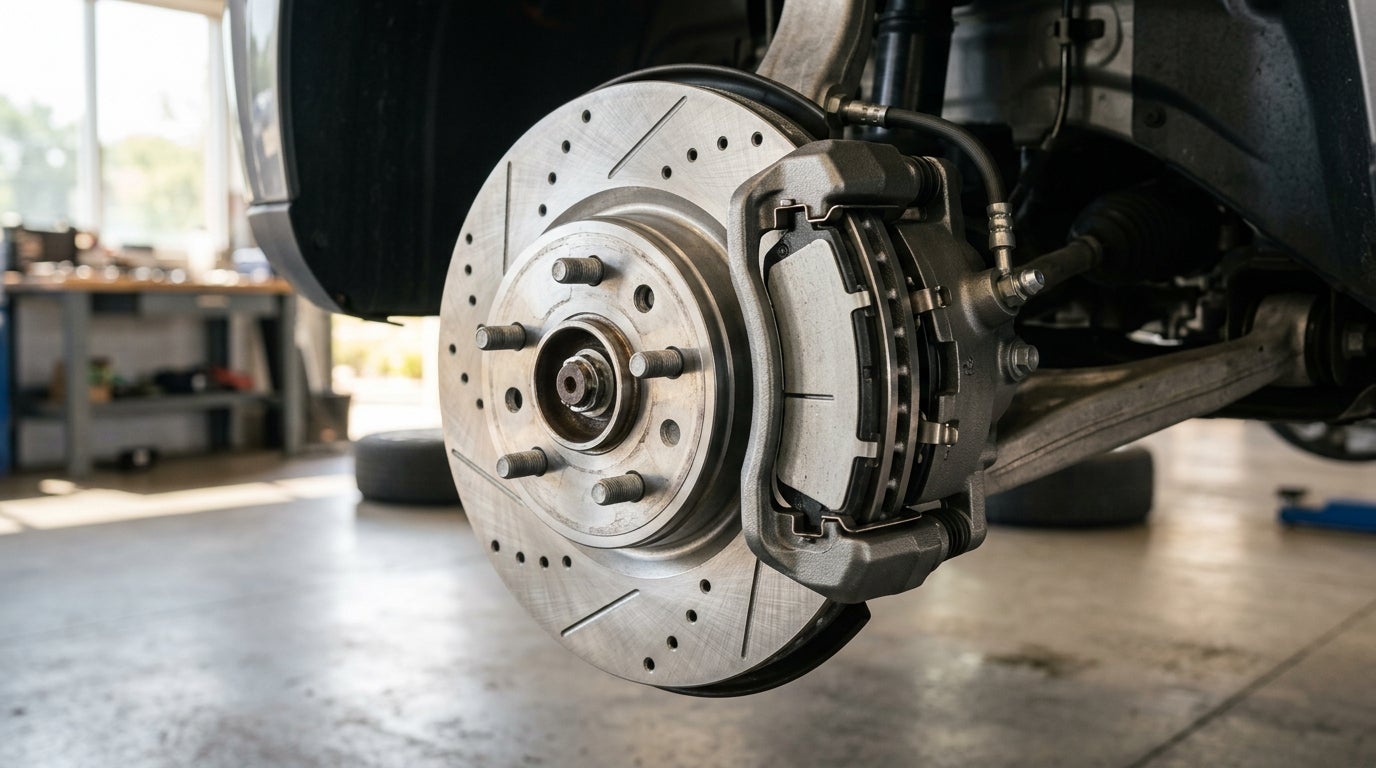
What Does Chevrolet Brake Service Include

What Does Chevrolet Brake Service Include?

Standard Chevrolet brake service includes a multi-point mechanical inspection of pads, rotors, calipers, and hydraulic lines, accompanied by pad replacement, rotor resurfacing or replacement, caliper hardware lubrication, and fluid testing or flushing. Certified technicians measure friction pad thickness in millimeters, verify rotor minimum discard thickness, check for electronic fault codes, and test brake fluid moisture levels. During a comprehensive service appointment, technicians elevate the vehicle to perform a thorough tear-down inspection of the entire friction assembly. They inspect front and rear brake pads for uneven wear patterns, which often indicate sticking caliper slide pins or binding mounting brackets. Rotors are examined for deep scoring, heat checking, micro-cracking, and lateral runout. Calipers are inspected for fluid leaks around the piston boot, while flexible rubber brake hoses are checked for cracks, swelling, or weather rot. Component servicing utilizes factory-validated replacement parts, such as GM Genuine Parts and ACDelco Gold ceramic or semi-metallic friction pads. Technicians clean pad slide channels, apply high-temperature grease to contact points, and replace worn hardware clips to prevent pad binding. If the brake rotors meet thickness specifications, they may be resurfaced on a lathe to restore a smooth, parallel surface; otherwise, new original equipment rotors are installed and torqued to factory specifications. To schedule an inspection or component replacement at our service center, visit our Acton service center or give our team a quick call to speak directly with an advisor. Drivers operating in mixed weather around Acton benefit from routine undercarriage rinses and hardware lubrication to prevent winter road salt and liquid brine from causing premature caliper corrosion. Table of Contents What Causes a High-Pitched Squealing Sound When Braking in a Chevy? What Is the Recommended Chevrolet Brake Inspection Interval? What Is the Cost Difference Between Pads-Only and Pads-Plus-Rotors Service? What Specialized Tools and Chevrolet Brake Services Are Offered Near Marlborough, MA? ​ Common Questions About Chevrolet Brake Maintenance and Repairs ​ Schedule Your Chevrolet Brake Service ​ What Causes a High-Pitched Squealing Sound When Braking in a Chevy? A high-pitched squealing sound during braking is primarily caused by built-in metallic wear indicators making direct physical contact with the brake rotor to alert you that the pad material has worn down to approximately 2 millimeters. Glazed pad surfaces from excessive heat, moisture build-up, or missing anti-squeal shims can also trigger squealing before pads are fully depleted. The acoustic wear sensor is a small, hardened steel tab attached to the backing plate of the brake pad. As the friction material wears thin over thousands of miles, this tab reaches the surface of the spinning rotor and produces a high-frequency squeal when you apply the brake pedal. This intentional mechanical warning signal indicates that friction material is approaching critical levels and requires immediate professional attention before metal-to-metal contact destroys the rotor. High-temperature glazing is another common culprit behind high-pitched noises. Severe stopping, heavy mountain driving, or riding the brakes down long hills causes extreme heat that hardens the friction compound surface into a smooth, glass-like finish. This glazed layer vibrates against the rotor surface rather than gripping it smoothly, producing a persistent squeal. Debris such as sand, fine gravel, or surface rust forming overnight in damp New England weather can also create temporary squeak or squeal noises until the pads sweep the rotor clean. Addressing noises early prevents minor friction issues from turning into structural rotor damage. Review our current service special offers to save on routine maintenance, hardware replacements, and complete brake component overhaals. What Is the Recommended Chevrolet Brake Inspection Interval? Chevrolet recommends a professional brake inspection every 7,500 miles or six months as part of routine multi-point maintenance, typically performed alongside oil changes and tire rotations. Heavy-duty trucks, towing vehicles, or vehicles driven frequently in severe urban traffic should undergo dedicated pad and rotor checks every 10,000 to 12,000 miles or at least once a year. Brake pad lifespan varies depending on driving environments, cargo loads, and personal braking habits. Severe use—such as heavy stop-and-go commuting corridors around Bedford or frequent trailering—typically yields a pad lifespan between 20,000 and 25,000 miles. Under light highway driving conditions with minimal sudden stops, high-quality factory brake pads often last between 40,000 and 60,000 miles before reaching replacement thresholds. During routine service visits, our technicians measure pad thickness with a precision gauge and record the remaining millimeter depth on your multi-point report. This trackable metric allows owners to anticipate maintenance needs long before metal backing plates scratch the rotors. Technicians also check hydraulic brake fluid levels and test moisture content, as glycol-based brake fluid absorbs ambient moisture over time and should be completely flushed every 45,000 to 60,000 miles or every 3 years. What Is the Cost Difference Between Pads-Only and Pads-Plus-Rotors Service? Replacing Chevrolet brake pads alone typically costs between $150 and $300 per axle, while replacing both brake pads and rotors generally ranges from $300 to $650 per axle. All formal estimates cover a single axle, meaning servicing both front and rear axles doubles the total price. Service Type Parts Included Estimated Cost Range (Per Axle) Pads-Only Replacement New friction pads, hardware clips, grease $150 – $300 Pads + Rotor Resurfacing New friction pads, machined original rotors $200 – $400 Pads + Rotor Replacement New friction pads, new OEM rotors, hardware $300 – $650 Full Axle + Caliper Replacement Pads, rotors, and new/remanufactured caliper $450 – $1,100 Pads-only service is appropriate when existing rotors measure well above their stamped discard thickness, display no deep heat cracks or rust pitting, and show minimal lateral runout. However, modern vehicle rotors are engineered to be lightweight and thin to improve fuel efficiency, meaning they frequently reach minimum thickness during their first pad lifespan and cannot safely sustain a second set of pads. Vehicle size and hardware complexity also dictate final service pricing. Half-ton trucks like the Silverado 1500 utilize larger, heavier cast-iron rotors and multi-piston calipers that require more robust materials, increasing parts costs by 20% to 40% compared to compact crossovers like the Equinox. Choosing premium GM Genuine Parts over lower-tier economy aftermarket components ensures exact factory fitment, quiet operation, and extended wear life. What Specialized Tools and Chevrolet Brake Services Are Offered Near Marlborough, MA? Chevrolet dealership service centers utilize specialized factory diagnostic tools including the GM MDI 2 diagnostic scanner, automated hydraulic pressure bleeder systems, and precision micro-calipers for digital rotor runout measurement. These advanced tools enable precise electronic brake pedal position sensor calibration, ABS module pressure bleeding, and electronic parking brake service mode retraction. Modern Chevrolet vehicles equipped with electronic brake boost systems require specialized software interfaces during routine service. Using the GM MDI 2 scan tool, certified technicians command internal solenoid valves inside the anti-lock braking system module to cycle open. This allows trapped air bubbles and degraded fluid to be completely purged from internal passages during a fluid flush—a step that standard manual pumping cannot accomplish. Service operations near Marlborough also cover electronic parking brake maintenance. On models featuring rear electric parking brake actuators, technicians engage service mode via diagnostic software to retract the internal caliper pistons safely before replacing friction pads. Attempting to compress these electronic calipers manually without software retraction can strip internal motor gears. Technicians also perform precision rotor lathe turning, caliper piston seal rebuilds, and high-performance DOT 4 fluid flushes tailored for performance trims. ​ Common Questions About Chevrolet Brake Maintenance and Repairs Q: How do I know if my Chevrolet brake fluid needs to be changed? Chevrolet recommends flushing brake fluid every 45,000 to 60,000 miles or three years. Brake fluid absorbs ambient moisture over time, lowering its boiling point and causing fluid contamination. Dark brown or black fluid, a spongy brake pedal feel, or a high moisture reading during a multi-point inspection indicates a flush is necessary. Q: Are brake replacement estimates quoted per axle or for the entire vehicle? Most professional automotive service quotes state brake replacement costs per axle. Front and rear braking systems wear at different rates due to front-wheel weight transfer during stopping, so replacing pads or rotors on one axle without servicing the other is standard practice. Servicing both axles simultaneously doubles the single-axle estimate. Q: What happens if DOT 3 and DOT 4 brake fluids are mixed in a Chevy? While both DOT 3 and DOT 4 hydraulic brake fluids are glycol-based and chemically compatible, mixing them reduces the boiling point of the DOT 4 fluid down toward DOT 3 standards. Performance Chevrolet models engineered specifically for higher operating temperatures require pure DOT 4 to prevent fluid boiling and pedal fade under severe braking conditions. Q: Can I drive my Chevrolet if the brakes are making a grinding sound? Driving with grinding brakes is unsafe and damages key mechanical components. A grinding sound indicates the friction material is completely worn away, causing the metal backing plate to carve grooves into the brake rotor. Continued driving compromises stopping distance and turns a routine pad change into a costly caliper and rotor replacement. Q: Do Chevrolet brake services include a warranty on new parts and labor? Original equipment repairs using GM Genuine Parts or ACDelco Gold components installed at an authorized service center carry manufacturer warranty coverage. Qualifying brake pads and rotors include a 24-month/unlimited-mile limited warranty that protects against manufacturing defects and premature component failure. To arrange an inspection or confirm component availability, access our online service scheduling portal or contact our genuine GM parts order desk. Schedule Your Chevrolet Brake Service Routine brake inspections, timely pad replacements, and periodic fluid flushes protect your stopping power, preserve expensive components, and keep your vehicle operating safely. Contact our certified service department today to address squealing noises, pedal pulsation, or scheduled maintenance before minor wear becomes an expensive repair. Set up your next appointment through our online portal, drop by our Acton dealership facility, or call our team directly at (978) 206-1952 to speak with a service advisor. © 2026 Colonial Chevrolet. All rights reserved.