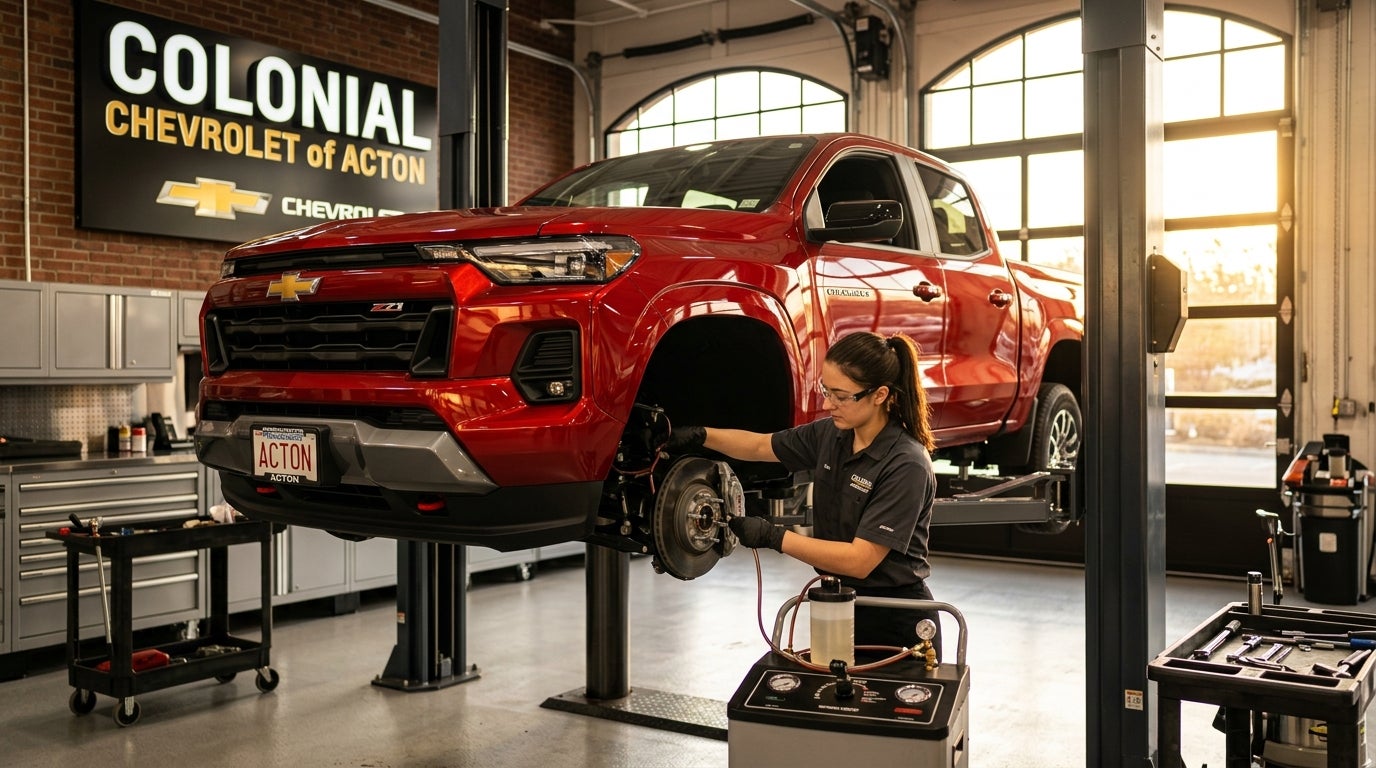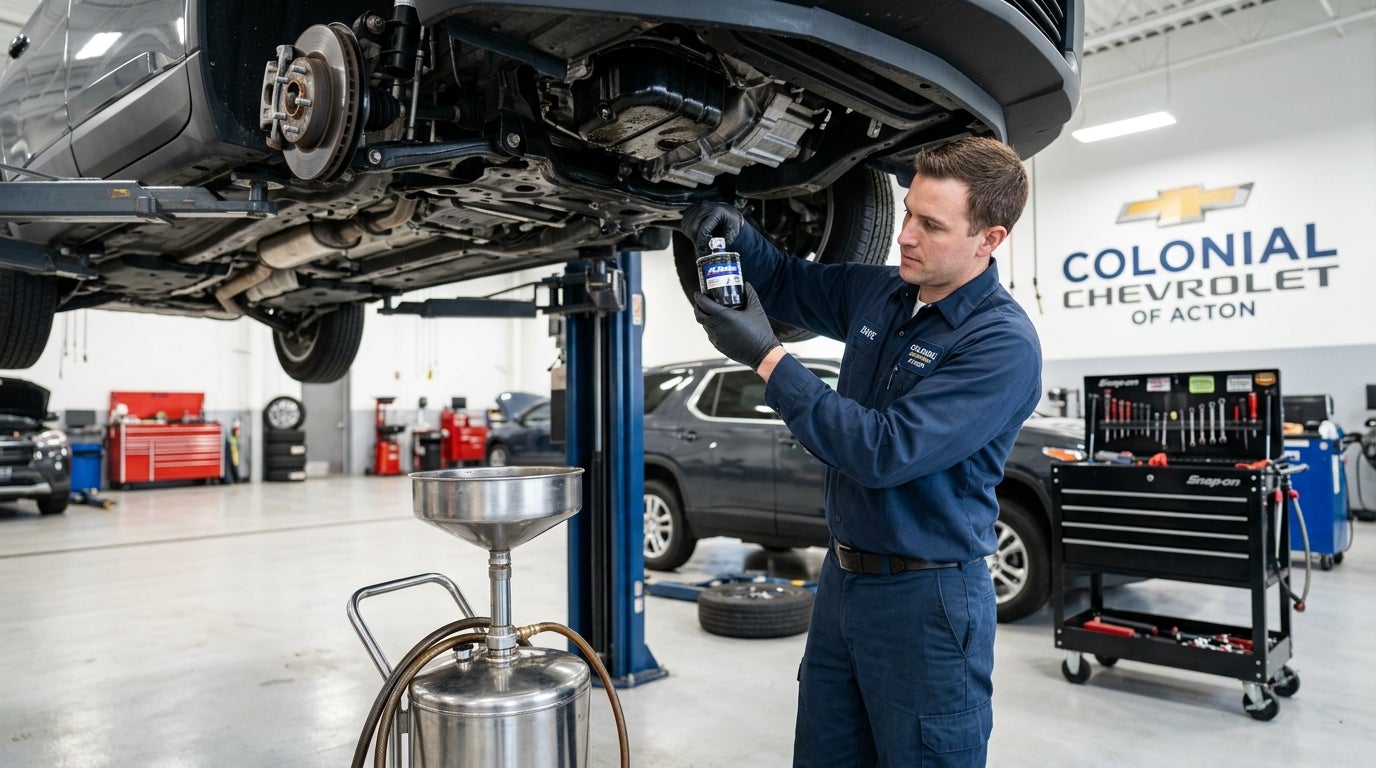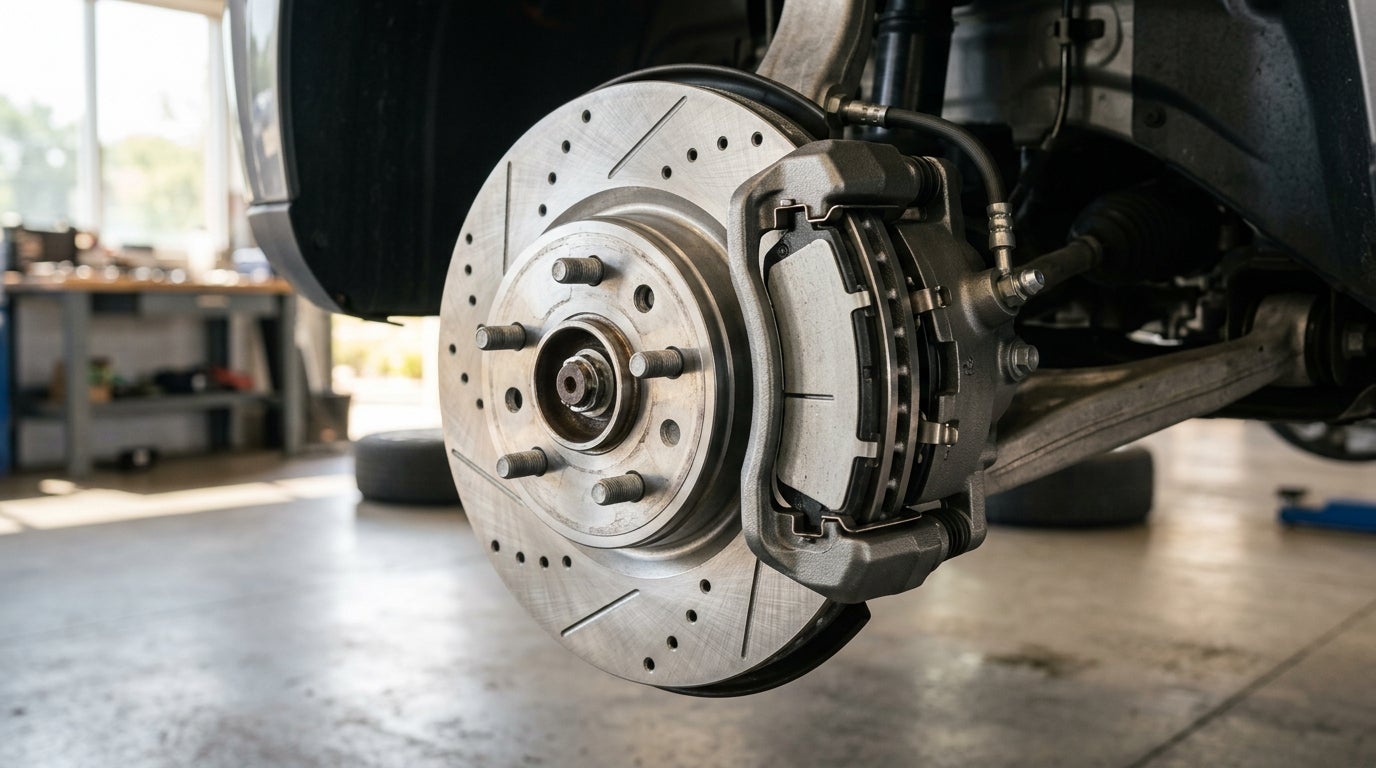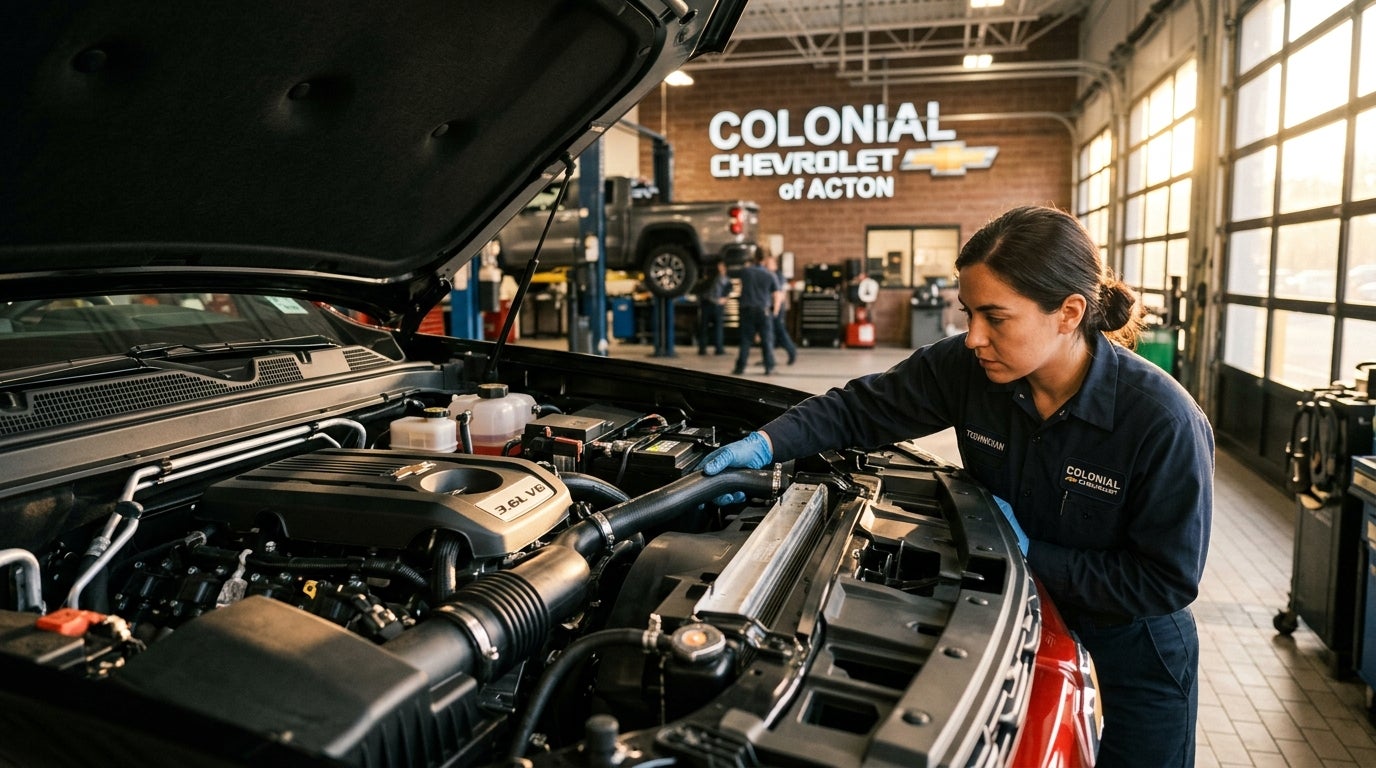



Fluid replacement is essential for 2025 Chevrolet reliability because fresh automotive fluids prevent mechanical friction, regulate extreme operating temperatures, and stop chemical corrosion across critical powertrain and braking assemblies. Over time, internal lubricants and coolants absorb moisture, collect debris, and suffer thermal breakdown, leading to accelerated component wear, slipping transmissions, or hydraulic failure if left unserviced. Modern Chevrolet engineering relies on sophisticated onboard monitoring systems alongside strict physical inspection intervals to preserve operational health. Chevrolet vehicles feature an Oil Life Monitoring System that calculates remaining lubrication quality by analyzing engine revolutions, operating temperatures, idle duration, and engine loads. When lubrication depletes, the instrument cluster displays a "Change Engine Oil Soon" alert, indicating service is required within approximately 600 miles. Chevrolet mandates changing the engine oil and filter at least once per year even if the alert does not activate. Using the proper factory-approved fluid specification is critical to maintaining mechanical protection and preserving factory warranty terms. Chevrolet gasoline powertrains require dexos1 full synthetic engine oil to protect tight internal tolerances and prevent valvetrain wear. Similarly, engine coolant levels must be checked when cold at the surge tank; attempting to open a hot cooling system releases pressurized steam that can cause severe burns. Operating a vehicle in New England exposes critical underbody components to substantial seasonal temperature swings and corrosive winter road salt. Moisture accumulation inside brake hydraulic lines and breakdown of rust inhibitors in engine coolant happen progressively, making routine checks vital. When replenishing supplies or replacing components, drivers can order factory-engineered fluids through our genuine GM parts ordering department. For personalized service schedules or to address active dashboard warning lights, give a quick call to our service advisors or visit our Acton service department. Table of Contents Is a Fluid Flush or a Drain and Fill Better for High-Mileage Chevrolet Vehicles? What Transmission Fluid Specifications and Intervals Do 2025 Chevrolet Models Require? How Often Should Engine Coolant Be Flushed and What Color Is Standard DEX-COOL? What Does a Chevrolet Brake Fluid Flush Cost and Can Bundling Services Save Money? Where Can Acton-Area Chevrolet Owners Get Certified Maintenance Near Marlborough? Common Questions About Chevrolet Fluid Top-Ups and Flushes Is a Fluid Flush or a Drain and Fill Better for High-Mileage Chevrolet Vehicles? A drain and fill is generally better than a fluid flush for high-mileage Chevrolet vehicles that have gone long periods without regular maintenance. While a fluid flush uses pressure to exchange nearly 100 percent of the system's fluid, a drain and fill gently replaces a portion of the fluid along with the filter, reducing the risk of dislodging built-up varnish or sludge that could clog delicate internal valve bodies. Understanding the mechanical distinction between these two procedures helps owners select the correct service method. A fluid flush connects specialized exchange equipment to the transmission cooler lines, flushing out old fluid from the torque converter, fluid lines, and internal passages while pumping in fresh fluid. On well-maintained vehicles serviced at scheduled 45,000-mile or 90,000-mile intervals, a full flush efficiently removes suspended metallic particles and restored hydraulic line pressure. However, on older or high-mileage vehicles with neglected service histories, high-pressure flushing poses operational risks. Over tens of thousands of miles, degraded fluid forms varnish deposits and sludge along internal casing walls. Pressurized flushing can dislodge these deposits, allowing loose debris to migrate into narrow hydraulic solenoids or small valve passages. This contamination can cause delayed gear engagement, rough shifting, or clutch slippage. Our service advisors frequently observe that for high-mileage Chevrolet vehicles with neglected maintenance records, a gentle pan drop, filter change, and fluid refill is far safer than a high-pressure flush. Removing the transmission pan allows technicians to clean settled magnetic debris, replace the internal filter, and inspect for heavy clutch material before adding fresh fluid. Owners looking to manage routine maintenance costs can explore our current service and parts specials for savings on diagnostic checks and fluid services. What Transmission Fluid Specifications and Intervals Do 2025 Chevrolet Models Require? Most 2025 Chevrolet automatic transmissions require GM-validated full-synthetic fluids, specifically DEXRON-VI or DEXRON ULV (Ultra-Low Viscosity), depending on the specific transmission model. Factory maintenance schedules mandate fluid replacements every 45,000 miles under severe operating conditions or every 90,000 miles under standard driving conditions. GM engineered these synthetic formulations to maintain strict shear stability, oxidation resistance, and fluid flow across extreme thermal ranges. Modern multi-speed automatic transmissions—including 8-speed and 10-speed units found in vehicles like the Silverado, Tahoe, Suburban, and Colorado—rely on DEXRON ULV to reduce internal fluid drag and deliver precise hydraulic clutch control. Crossovers like the Equinox and Traverse utilize specified DEXRON-VI formulations engineered for transverse transaxle configurations. Chevrolet Powertrain Application Required Fluid Specification Normal Service Interval Severe Duty Interval 8-Speed / 10-Speed Automatic (Silverado, Tahoe, Suburban, Colorado) DEXRON ULV Full Synthetic 90,000 miles 45,000 miles 6-Speed / 9-Speed Automatic (Equinox, Traverse) DEXRON-VI Full Synthetic 90,000 miles 45,000 miles 4WD Transfer Case (Silverado 1500 / 2500 HD) AUTOTRAK II / OEM Transfer Case Fluid 90,000 miles 45,000 miles Front / Rear Axle Differentials 75W-90 Synthetic Gear Lubricant 90,000 miles 45,000 miles Severe operating conditions apply to a wide range of daily driving habits in New England. Severe duty includes frequent commercial hauling, trailer towing, off-road operation, extended idling, or repeated short trips in sub-freezing winter weather. Operating under these stresses breaks down fluid additives faster, increasing the need for 45,000-mile service intervals. Neglecting transmission fluid changes leads to fluid oxidation and thermal degradation. Dark, burnt fluid loses its friction-modifying properties, causing warning signs such as transmission slipping, delayed throttle response, shuddering during torque converter lockup, or elevated operating temperatures. Additionally, four-wheel-drive and all-wheel-drive models require separate transfer-case and differential fluid changes; these drivetrain components do not share fluid with the transmission and must be serviced independently. How Often Should Engine Coolant Be Flushed and What Color Is Standard DEX-COOL? Engine coolant in 2025 Chevrolet vehicles should be flushed and replaced every 5 years or 150,000 miles, whichever comes first, under normal operating conditions. Factory-installed Chevrolet coolant is standard DEX-COOL, which is easily identified by its distinct orange color. DEX-COOL is an extended-life organic acid technology (OAT) ethylene glycol coolant formulated specifically to protect aluminum engine blocks, cylinder heads, water pumps, and radiator cores from internal corrosion and scale buildup. Unlike conventional green silicated coolants, DEX-COOL contains silicate-free inhibitors that provide long-lasting protection without forming abrasive deposits on mechanical water pump seals. Proper coolant maintenance is vital for vehicles operating through the severe temperature variations common in New England. Winter freezes require precise 50/50 water-to-coolant concentration ratios to prevent engine block cracking at sub-zero temperatures, while summer heat demands optimal thermal transfer to prevent engine overheating. Technicians check coolant levels exclusively at the cold-fill line on the translucent surge tank when the engine is completely cool. Opening a pressurized, hot cooling system can cause scalding fluid to spray, leading to severe injuries. If the coolant appears brown, cloudy, or contains rust particles, a full system flush is required to remove rust scale and restore corrosion protection. What Does a Chevrolet Brake Fluid Flush Cost and Can Bundling Services Save Money? A complete Chevrolet brake fluid flush typically costs between $100 and $180, covering labor, complete hydraulic fluid extraction, line bleeding at all four calipers, and fresh fluid replenishment. Bundling a brake fluid flush with other routine services, such as a coolant exchange or transmission service, frequently lowers overall maintenance costs through package savings. Hydraulic brake fluid is glycol-based and naturally hygroscopic, meaning it absorbs ambient moisture directly through microscopic pores in flexible rubber brake hoses and reservoir seals over time. As water content increases, the boiling point of the brake fluid drops significantly. Under heavy braking or prolonged downhill driving, water-contaminated fluid can boil inside the calipers, creating vapor pockets that result in a soft, spongy brake pedal and reduced stopping power. Moisture Absorption -> Reduced Boiling Point -> Fluid Boiling Under Heat -> Vapor Locks -> Spongy Pedal / Brake Fade Chevrolet guidance recommends inspecting brake fluid condition during multi-point safety checks and performing a complete hydraulic flush every 3 years or 45,000 miles. Performance models operating with higher thermal loads require premium DOT 4 fluid, while standard light-duty vehicles utilize DOT 3 specifications. During a professional flush, certified technicians utilize diagnostic tools such as the GM MDI 2 scanner to cycle anti-lock braking system (ABS) solenoids open while using pressurized bleeders. This ensures dirty fluid trapped within internal ABS valves is completely purged—a step manual pedal pumping cannot achieve. Owners can set up an appointment through our online service scheduling portal. Where Can Acton-Area Chevrolet Owners Get Certified Maintenance Near Marlborough? Acton-area Chevrolet Equinox, Traverse, Trailblazer, Silverado and Colorado owners seeking factory-trained fluid care near Marlborough can visit Colonial Chevrolet, located at 171 Great Road in Acton. Our facility provides GM-certified technicians, factory-validated diagnostic equipment, and genuine original equipment fluids designed specifically for Chevrolet cars, trucks, and crossovers. Choosing factory-certified care ensures that maintenance operations match strict GM engineering standards. During every service visit, technicians connect your vehicle to active factory databases to check for module software updates, technical service bulletins (TSBs), and outstanding recall campaigns. Independent general repair facilities often lack direct real-time access to these proprietary software updates. Documenting complete maintenance records at a certified service center protects your factory warranty coverage. Chevrolet backs new vehicles with a 3-year/36,000-mile bumper-to-bumper limited warranty and a 5-year/60,000-mile powertrain limited warranty. Using spec-compliant dexos1 engine oils, DEXRON transmission fluids, and genuine filters maintains uninterrupted warranty protection over years of ownership. Daily commuting along the traffic corridors of Bedford places consistent thermal stress on engine oil, transmission clutches, and braking systems. Routine multi-point safety checks allow technicians to measure brake pad thickness in millimeters, evaluate battery health, test fluid moisture content, and inspect underbody heat shields before minor wear leads to unexpected roadside breakdowns. Common Questions About Chevrolet Fluid Top-Ups and Flushes Q: How can drivers check if their Chevrolet engine oil is low between scheduled service visits? Engine oil levels should be checked manually using the dipstick while the vehicle is parked on a level surface with the engine turned off and fully cooled down. Pull the dipstick from the engine block, wipe it clean with a lint-free cloth, reinsert it completely, and pull it out again to observe the oil level relative to the hatch marks. If the oil level rests below the minimum crosshatch line, add the recommended dexos1 synthetic oil specification before operating the vehicle. Q: What happens if DOT 3 and DOT 4 brake fluids are mixed in a Chevrolet? While DOT 3 and DOT 4 brake fluids are both glycol-based and chemically compatible, mixing them lowers the overall boiling point of the mixture down toward DOT 3 levels. Chevrolet models engineered specifically for higher thermal loads or heavy trailering require uncompromised DOT 4 fluid to prevent fluid boiling and pedal fade under severe stopping conditions. Q: Are transmission fluid leaks covered under Chevrolet powertrain warranty terms? Fluid leaks resulting from manufacturing defects in factory shaft seals, gaskets, pan seals, or transmission housing castings are generally covered under Chevrolet's 5-year/60,000-mile powertrain limited warranty. However, leaks caused by external road debris impacts, lack of scheduled maintenance, or using unapproved non-spec fluids are excluded from coverage. Q: Why does my Chevrolet coolant reservoir level drop slightly without any visible leaks? Minor coolant level fluctuations inside the translucent expansion tank occur naturally due to thermal expansion, evaporation through atmospheric pressure caps, and temperature changes. However, a rapid or continuous drop in coolant level indicates an internal leak—such as a failing head gasket or intake manifold seal—or an external weep at a hose fitting that requires immediate cooling system pressure testing. Q: Can synthetic fluids be used for all 2025 Chevrolet fluid flushes? Yes, modern 2025 Chevrolet powertrains are factory-engineered exclusively for full-synthetic fluid formulations. Fluids such as dexos1 engine oil, DEXRON-VI, and DEXRON ULV automatic transmission fluids are full synthetics designed to provide high oxidation stability, thermal resistance, and low-temperature fluidity. To arrange your next fluid inspection, pan drop, or complete system flush, visit our Great Road dealership facility or call our team directly at (978) 206-1952 to speak with a certified service advisor. © 2026 Colonial Chevrolet. All rights reserved.